
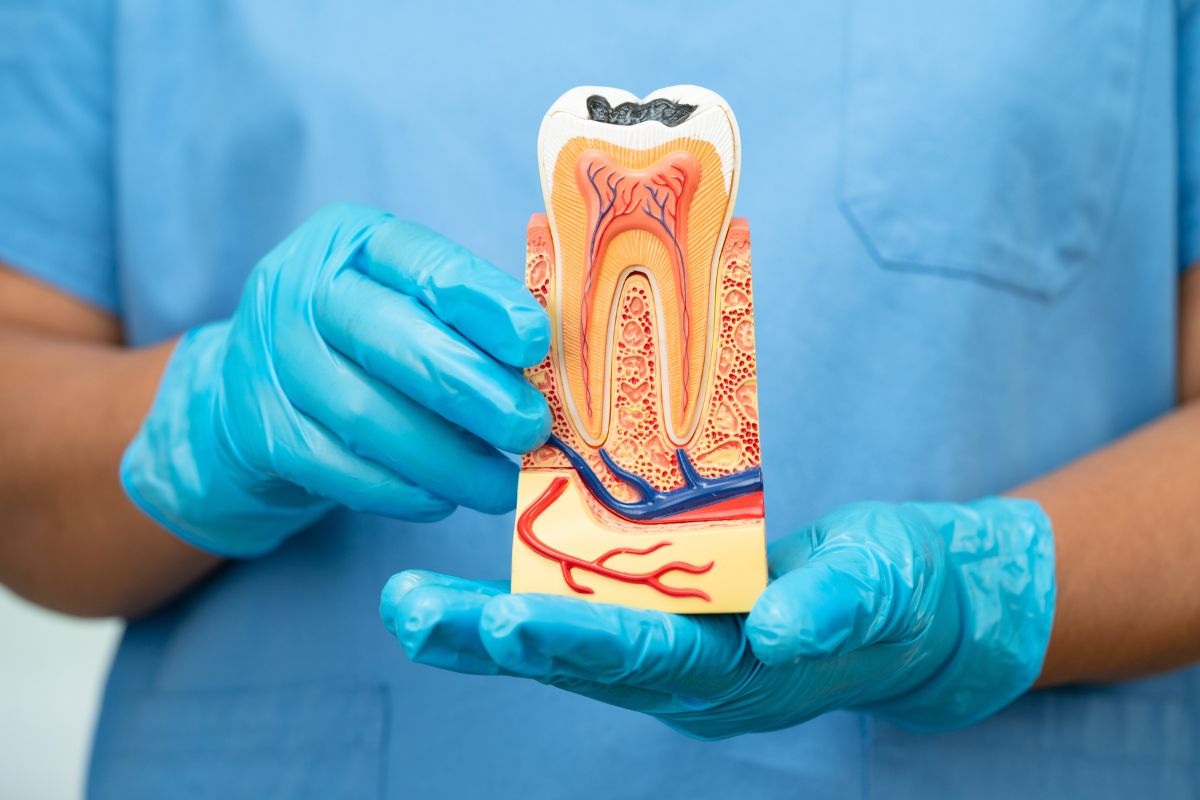
A root canal can relieve the discomfort caused by an infected or inflamed tooth and help preserve your natural tooth. But the treatment itself is only part of the process. What you do afterward can make your recovery more comfortable and help protect the tooth while it heals.
Understanding root canal aftercare is especially important during the first few days. You may have some tenderness, need to adjust how you chew, or have a temporary restoration that requires extra care. If you are considering treatment or have questions about the procedure, learning about professional root canal treatment in Monroe can help you understand what to expect before, during, and after treatment.
Quick Answer
After a root canal, follow your dentist’s instructions, avoid chewing hard foods on the treated tooth until your dentist says it is safe, maintain gentle brushing and flossing, and take medications only as directed. Contact your dentist if pain becomes severe, swelling develops, or your symptoms worsen instead of improving.
What to Expect After Root Canal Treatment
It is normal for the treated tooth and surrounding area to feel somewhat tender after a root canal. The tissues around the tooth may have been irritated during treatment, and your jaw can also feel uncomfortable from keeping your mouth open during the appointment.
For many patients, this sensitivity is temporary. Your dentist may provide specific instructions based on the condition of your tooth and the type of restoration used.
The important thing is not to assume that every type of discomfort is a problem or that severe symptoms should simply be ignored. Pay attention to how you feel and contact your dental office if something seems unusual.
Root Canal Aftercare: 7 Tips for Protecting Your Tooth
1. Be Careful When Eating
One of the most practical parts of root canal aftercare is being mindful of what and where you eat.
If your dentist has placed a temporary filling or restoration, you may be advised to avoid chewing on that side until the permanent restoration is completed. Hard, sticky, or chewy foods can place unnecessary stress on the tooth.
Softer foods can be easier to manage during the early part of recovery. You can gradually return to your normal diet according to your dentist’s instructions.
2. Don’t Skip Brushing and Flossing
A treated tooth still needs good oral hygiene.
Continue brushing twice daily with a soft-bristled toothbrush and cleaning between your teeth. Be gentle around the treated area if it feels tender.
Good oral hygiene helps keep plaque under control and supports the health of the surrounding teeth and gums.
Unless your dental professional gives you different instructions, there is generally no reason to stop your normal oral hygiene routine simply because you had a root canal.
3. Follow Medication Instructions Carefully
Your dentist may recommend an over-the-counter pain reliever or prescribe medication depending on your individual circumstances.
Take medications exactly as directed. Do not take more than the recommended amount, and ask your dentist or another healthcare professional if you are unsure whether a medication is appropriate for you.
Antibiotics are not automatically needed after every root canal. If your dentist prescribes one, follow the instructions provided.
4. Avoid Putting Unnecessary Pressure on the Tooth
Even when the tooth feels better, it is important to follow your dentist’s instructions about chewing.
A tooth that has undergone root canal treatment may still require a final restoration, such as a crown, depending on the tooth and your dentist’s treatment plan. Until the tooth has been appropriately restored, protecting it from excessive biting forces can be important.
Do not use the treated tooth to bite hard objects or chew things that could place excessive stress on it.
5. Keep Your Follow-Up Appointment
Root canal treatment does not necessarily end when you leave the dental office.
Your dentist may want to examine the tooth again or complete the next stage of treatment, such as placing a permanent restoration. Keeping scheduled appointments allows your dental team to monitor the tooth and complete the treatment plan.
If you have a temporary filling, do not assume it can remain in place indefinitely. Ask your dentist when the permanent restoration should be completed.
6. Watch for Changes in Your Symptoms
Some tenderness after treatment can occur, but symptoms that become increasingly severe deserve attention.
Contact your dental office if you experience significant or worsening pain, noticeable swelling, a fever, difficulty swallowing, or other concerning symptoms.
If you develop substantial swelling involving your face or neck or have difficulty breathing or swallowing, seek urgent medical attention.
7. Give Your Tooth Time to Recover
It can be tempting to test the treated tooth as soon as it begins feeling normal. Instead, follow the instructions provided by your dental team.
Every tooth and patient is different. The recommended recovery process can depend on factors such as the tooth’s location, the extent of the original problem, and whether a temporary or permanent restoration has been placed.
What Can You Eat After a Root Canal?
Patients often wonder what foods are safest immediately after treatment.
Generally, foods that are easy to chew can be more comfortable while the area is tender. Depending on your dentist’s instructions, options may include:
- Yogurt
- Scrambled eggs
- Oatmeal
- Mashed potatoes
- Soft pasta
- Smooth soups
- Soft-cooked vegetables
Avoid particularly hard or sticky foods if your dentist has told you to protect the treated tooth.
Also remember that if your mouth is still numb after the appointment, you should be careful when eating. Biting your cheek, tongue, or lip can happen without you realizing it.
How Long Does Root Canal Recovery Take?
Recovery varies from person to person. Some people experience little discomfort after treatment, while others may have tenderness for several days.
The condition of the tooth before treatment, the complexity of the procedure, and the restoration placed afterward can all affect your experience.
Instead of focusing on an exact number of days, pay attention to the overall trend. If discomfort is gradually improving, that can be reassuring. If pain or swelling is getting worse, contact your dental office for advice.
Can a Root Canal Save a Natural Tooth?
One of the main goals of root canal treatment is to remove infected or inflamed tissue from inside a tooth while allowing the natural tooth to remain in place when it can be successfully treated and restored.
If you’re wondering whether treatment may preserve your tooth, the answer depends on factors that can only be evaluated during a dental examination. You can also explore the related question of can root canal treatment save a tooth when considering your treatment options.
Your dentist can assess the tooth and explain whether root canal treatment, another restorative approach, or extraction may be appropriate.
When Should You Call Your Dentist After a Root Canal?
Knowing when to contact your dentist is an important part of recovery.
Reach out to your dental office if you notice:
- Severe or worsening tooth pain
- Significant swelling
- A fever or feeling generally unwell
- A bite that feels noticeably uneven after treatment
- A temporary filling that becomes damaged or falls out
- Symptoms that concern you or are not improving as expected
You do not need to determine the cause yourself. Your dental team can help you decide whether you need an examination or additional care.
Frequently Asked Questions
Can I brush my teeth after a root canal?
Yes, oral hygiene generally remains important after root canal treatment. Brush gently around the treated area, particularly if the surrounding tissues are tender, and follow any specific instructions from your dentist.
Can I eat normally after a root canal?
You may need to temporarily modify your diet, especially while your mouth is numb or if your dentist has advised you not to chew on the treated tooth. Soft foods may be more comfortable during early recovery.
Is pain normal after a root canal?
Some tenderness or sensitivity can occur after treatment. However, significant or worsening pain should be discussed with your dentist rather than ignored.
How do I protect my tooth after a root canal?
Follow your dentist’s instructions, maintain good oral hygiene, avoid excessive pressure on the tooth, and complete any recommended permanent restoration or follow-up treatment.
What happens if my temporary filling comes out?
Contact your dental office for guidance. A temporary restoration is intended to protect the tooth while the next stage of treatment is completed, so it should not simply be ignored if it becomes loose or falls out.
Local Dental Care in Monroe, LA
Taking care of your tooth after treatment is an important part of protecting your investment in your oral health. Following your dentist’s instructions, maintaining good hygiene, and attending follow-up appointments can help you navigate recovery with greater confidence.
For patients in Monroe and the surrounding Northeast Louisiana area, Eddleman Dental provides dental care with a focus on practical, patient-centered treatment. If you have questions about root canal treatment or are experiencing symptoms that concern you, a dental evaluation can help determine the appropriate next step.
You can also see what patients are saying on Google through the practice’s Google Business Profile before scheduling your visit.