
If you’ve been told you may need a root canal, you might be wondering, can a root canal save a tooth instead of having it removed? The answer is often yes. In many cases, root canal therapy allows dentists to remove infection while preserving your natural tooth, helping you avoid extraction and maintain a healthy smile.
For patients in Monroe, LA, understanding how root canal treatment works can make it easier to feel confident about your dental care decisions. At Eddleman Dental, our goal is to provide comfortable, patient-focused treatment that protects your oral health and keeps your natural teeth functioning for years to come. If you’re considering root canal treatment in Monroe, early evaluation can improve your chances of saving your tooth.
Quick Answer
Can a root canal save a tooth? Yes. A root canal can often save a severely infected or damaged tooth by removing infected tissue, cleaning the inside of the tooth, and sealing it to prevent future infection. When treated promptly and restored with a dental crown when needed, many root canal-treated teeth last for many years.
Can a Root Canal Save a Tooth?
Absolutely. One of the primary goals of root canal therapy is to preserve your natural tooth whenever possible.
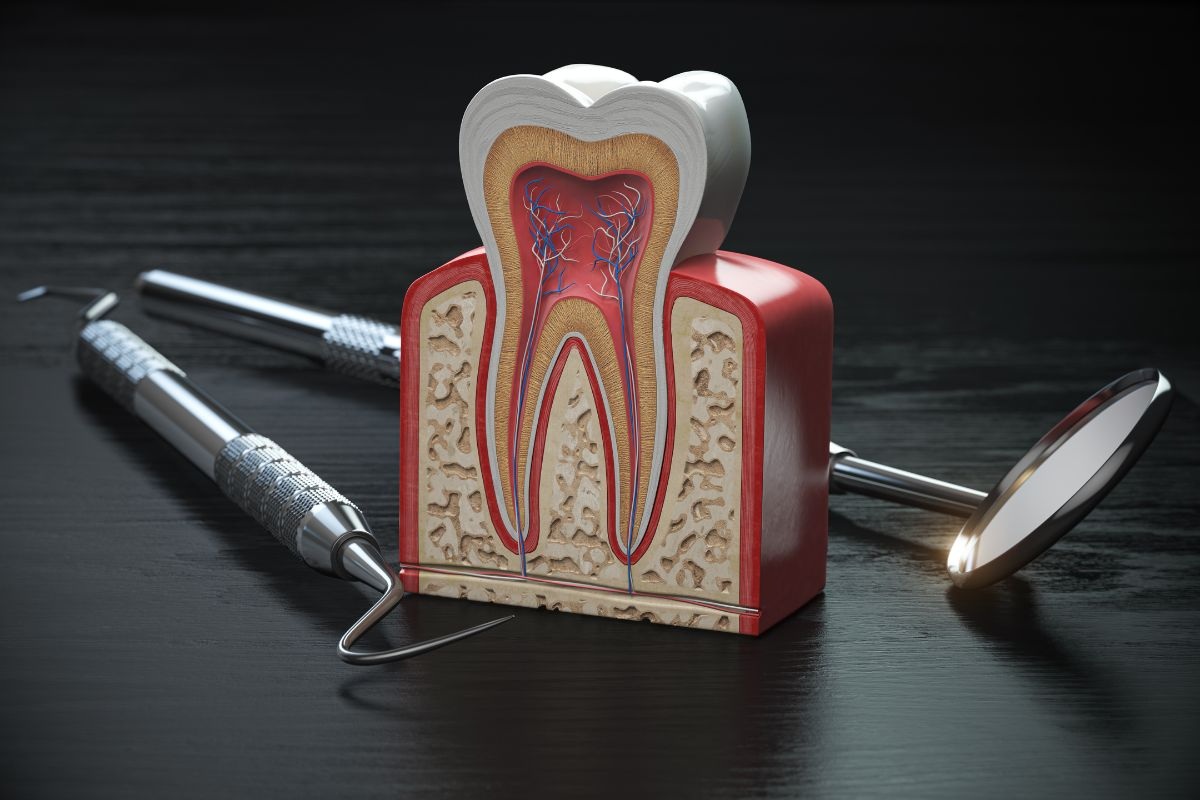
Inside every tooth is soft tissue called the pulp, which contains nerves and blood vessels. When the pulp becomes infected due to deep decay, repeated dental work, or trauma, the infection can spread and cause significant pain.
Instead of removing the entire tooth, a root canal removes only the damaged pulp while keeping the healthy outer tooth structure intact.
Saving your natural tooth offers several advantages:
- Maintains normal chewing function
- Preserves your natural bite
- Helps prevent neighboring teeth from shifting
- Protects jawbone health
- Eliminates infection and discomfort
Whenever possible, preserving your natural tooth is generally the preferred option over extraction.
When Is a Root Canal Needed?
Your dentist may recommend root canal therapy if the tooth’s pulp has become inflamed or infected. Recognizing the warning signs early can significantly improve the chances of saving your natural tooth. If you’re unsure whether your symptoms require professional care, read our guide on Signs You Need a Root Canal Treatment before scheduling an evaluation.
Common causes include:
- Deep cavities
- Cracked or fractured teeth
- Dental trauma
- Repeated dental procedures on the same tooth
- Severe tooth wear
Common symptoms include:
- Persistent tooth pain
- Sensitivity to hot or cold that lingers
- Swollen or tender gums
- Pain when chewing
- Tooth discoloration
- A small pimple-like bump on the gums
Sometimes, an infected tooth causes very little pain, making regular dental checkups important for early diagnosis.
How Does Root Canal Treatment Save the Tooth?
Many people mistakenly believe a root canal removes the entire tooth. In reality, the procedure focuses on removing only the infected tissue inside.
The treatment generally includes:
Exam and Digital Imaging
Your dentist evaluates the tooth and takes digital X-rays to determine the extent of the infection.
Removing the Infection
A small opening is created in the tooth so the infected pulp can be carefully removed.
Cleaning and Disinfecting
The canals inside the tooth are thoroughly cleaned and disinfected to eliminate bacteria.
Filling the Canals
The cleaned canals are sealed with a biocompatible material that helps prevent future infection.
Restoring the Tooth
Most treated teeth receive a dental crown for added strength and protection, allowing the tooth to function normally.
Benefits of Saving Your Natural Tooth
Choosing a root canal whenever appropriate offers long-term oral health benefits.
Better Function
Natural teeth typically provide better chewing efficiency than replacement options.
Improved Appearance
Keeping your original tooth helps maintain your natural smile.
Lower Long-Term Costs
Although a root canal has an upfront cost, replacing an extracted tooth with a bridge or implant often costs more over time.
Bone Preservation
Natural tooth roots continue stimulating the jawbone, helping reduce bone loss after treatment.
Is It Better Than Having the Tooth Removed?
In many situations, yes.
While tooth extraction is sometimes necessary, dentists usually recommend saving the natural tooth whenever possible.
|
Root Canal |
Tooth Extraction |
| Preserves natural tooth | Removes tooth completely |
| Maintains bite alignment | May require replacement |
| Supports jawbone health | Bone loss may occur over time |
| Often less costly long-term |
Replacement treatment may increase costs |
Every patient’s situation is different, so your dentist will recommend the most appropriate option based on the condition of your tooth.
Does a Root Canal Hurt?
Modern root canal treatment is much more comfortable than many people expect.
With local anesthesia and today’s dental technology, most patients say the procedure feels similar to getting a filling.
After treatment, you may experience mild soreness for a few days, which typically improves with:
- Over-the-counter pain medication
- Soft foods
- Good oral hygiene
- Following your dentist’s instructions
Most patients return to normal activities the following day.
How Much Does a Root Canal Cost?
The cost varies depending on several factors, including:
- Which tooth requires treatment
- Complexity of the infection
- Whether a dental crown is needed
- Dental insurance coverage
Although treatment costs vary, saving a tooth is often more affordable than extraction followed by replacement with a bridge or dental implant.
Your dental office can provide a personalized estimate after an examination.
Aftercare Tips for Long-Term Success
Root canal treatment has a high success rate when patients care for their restored tooth.
Helpful aftercare tips include:
- Brush twice daily
- Floss every day
- Attend regular dental checkups
- Avoid chewing hard objects like ice
- Wear a nightguard if you grind your teeth
- Have your permanent crown placed promptly if recommended
With proper care, many treated teeth remain healthy for decades.
Why Choose Eddleman Dental in Monroe?
Choosing the right dental team makes a difference when treating an infected tooth.
At Eddleman Dental, patients throughout Monroe, LA, receive personalized care in a welcoming environment. Our experienced team uses modern diagnostic technology and gentle treatment techniques to accurately diagnose dental problems and create treatment plans tailored to each patient’s needs.
Whether you’re experiencing sudden tooth pain or have been referred for root canal therapy, we focus on preserving your natural teeth whenever possible. Our patient-centered approach emphasizes comfort, clear communication, and long-term oral health for families across Monroe and the surrounding communities.
See What Local Patients Are Saying
Want to learn more about our practice before scheduling your visit? See patient reviews on Google to discover what local patients have shared about their experiences at Eddleman Dental.
Conclusion
So, can a root canal save a tooth? In many cases, the answer is yes. Root canal therapy removes infection while preserving your natural tooth, helping you maintain a healthy bite, avoid unnecessary tooth loss, and support your long-term oral health.
If you’re experiencing tooth pain, sensitivity, or swelling, don’t wait for the problem to worsen. Schedule an appointment with Eddleman Dental to determine whether root canal therapy is the right solution for you. Call +1 3189008717 today to book your visit and protect your natural smile.
Frequently Asked Questions
Can a root canal save a severely infected tooth?
Yes. If enough healthy tooth structure remains, a root canal can remove the infection and preserve the natural tooth. Early treatment generally offers the best chance of long-term success.
How long does a root canal-treated tooth last?
With proper oral hygiene, routine dental visits, and a well-fitting restoration such as a crown, many root canal-treated teeth can last for decades.
Is a dental crown always needed after a root canal?
Not always. Front teeth may not require crowns in every case, but back teeth often benefit from a crown because they experience greater chewing forces.
What happens if I delay root canal treatment?
Delaying treatment may allow the infection to spread, increasing pain and potentially making the tooth impossible to save. Early evaluation can help prevent more extensive treatment.
Can I eat after a root canal?
Yes, but it’s best to wait until the numbness wears off. Eat soft foods initially and avoid chewing on the treated tooth until your dentist says it’s safe.