Losing a tooth is not always the result of an accident or severe tooth decay. In adults, advanced gum disease is also a major cause of tooth loss because it can damage the tissues and bone that keep teeth firmly in place. The good news is that gum disease can often be managed when it is recognized and treated early.
If you are concerned about bleeding gums, persistent bad breath, gum recession, or teeth that feel loose, learning about gum disease treatment in Monroe can help you understand what options may be available before the condition progresses.
Quick Answer
Yes. Advanced gum disease, known as periodontitis, can cause tooth loss. The infection and inflammation can damage the gums, periodontal tissues, and bone supporting the teeth. As this support breaks down, teeth may become loose and, in severe cases, may eventually need to be removed.
How Does Gum Disease Lead to Tooth Loss?
Gum disease does not usually make a healthy tooth suddenly fall out. Instead, tooth loss can develop gradually as untreated periodontal disease damages the structures surrounding the tooth.
1. Plaque Builds Up Around the Gumline
Gum disease begins with plaque, a sticky film containing bacteria that constantly forms on your teeth. When plaque is not adequately removed, it can harden into tartar.
Tartar cannot be removed effectively with a regular toothbrush and requires professional dental cleaning. The bacteria and inflammation associated with plaque and tartar can irritate the gums and contribute to gingivitis, the earliest stage of gum disease.
2. Gingivitis Can Progress to Periodontitis
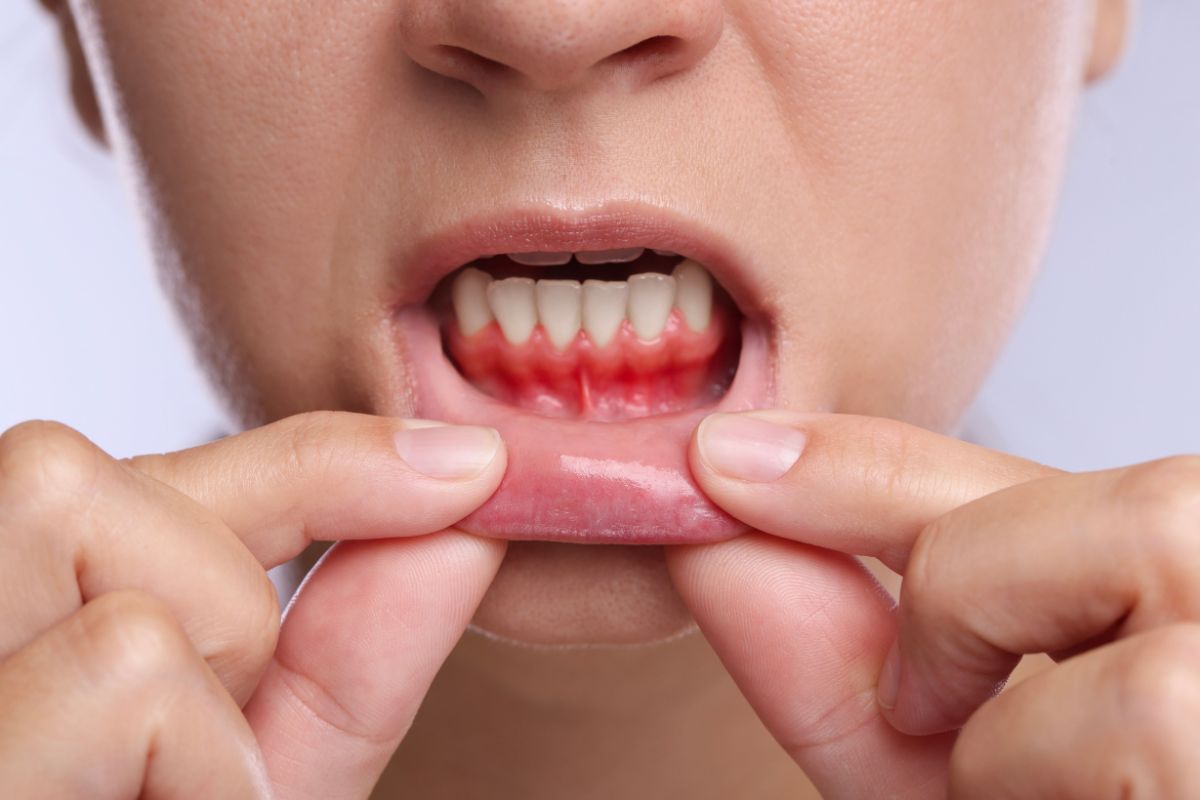
Gingivitis may cause red, swollen, or bleeding gums. At this stage, the condition is generally considered the milder form of gum disease.
If inflammation and infection progress, however, gum tissue can begin pulling away from the teeth. This creates spaces called periodontal pockets where bacteria can accumulate.
Over time, periodontitis can affect the tissues and bone supporting the teeth.
3. The Supporting Bone Can Be Damaged
Your teeth depend on more than your gums for support. The surrounding periodontal tissues and jawbone help hold each tooth in position.
As periodontitis progresses, these supporting structures can be destroyed. The result may be tooth mobility, shifting teeth, difficulty chewing, and eventually tooth loss. The National Institute of Dental and Craniofacial Research identifies periodontal disease as a major cause of tooth loss in adults.
What Are the Warning Signs of Gum Disease?
One reason gum disease can become a serious problem is that it may not cause significant pain in its early stages. That means waiting until something hurts is not always a reliable way to determine whether your gums are healthy.
Possible warning signs include:
- Gums that bleed when brushing or flossing
- Red, swollen, or tender gums
- Persistent bad breath
- Receding gums
- Increased tooth sensitivity
- Pain when chewing
- Teeth that feel loose
- Changes in how your teeth fit together
- Teeth that appear to shift position
These symptoms do not automatically mean that you have advanced periodontal disease. However, they are good reasons to schedule a dental evaluation.
For a closer look at symptoms patients should watch for, read about the early signs of gum disease and why they should not be ignored.
Who Is More at Risk for Advanced Gum Disease?
Anyone can develop gum disease, but certain factors can increase the risk or severity.
Smoking and Tobacco Use
Tobacco use is an important risk factor for serious gum disease and can also interfere with healing.
Diabetes
Diabetes is associated with a higher risk of serious periodontal disease. People with diabetes should discuss their oral health with their dental and medical providers.
Inconsistent Oral Hygiene
Brushing twice a day and cleaning between your teeth regularly help reduce plaque buildup. Professional dental care is also important because tartar cannot be removed through ordinary brushing alone.
Genetics and Other Factors
Family history, certain medications, hormonal changes, age, and other health factors can also influence gum health. Your dentist can consider these factors when evaluating your individual risk.
Can Gum Disease Be Treated Before You Lose a Tooth?
In many cases, treatment is aimed at controlling the infection and preventing further progression.
The appropriate approach depends on the severity of the condition. Early gum disease may respond to improved daily oral hygiene and professional cleaning. More advanced periodontal disease may require treatments such as scaling and root planing, a deep cleaning designed to remove plaque and tartar below the gumline and smooth the tooth roots.
At Eddleman Dental in Monroe, periodontal therapy includes treatments designed to manage gum disease and reduce inflammation. The practice describes scaling and root planing as one treatment option, while periodontal maintenance may involve more frequent professional cleanings and monitoring for patients with gum disease.
The goal is not simply to make the gums look healthier. Effective periodontal care is about managing the disease and protecting the structures that support your teeth.
How Can You Reduce Your Risk of Tooth Loss?
Protecting your gums does not require complicated steps, but consistency matters.
Brush Twice a Day
Use a soft-bristled toothbrush and fluoride toothpaste, and spend enough time cleaning all tooth surfaces.
Clean Between Your Teeth
Floss or use another dentist-recommended interdental cleaning method every day. Cleaning between teeth helps remove plaque from areas your toothbrush cannot reach.
Keep Regular Dental Visits
Professional examinations and cleanings give your dental team an opportunity to identify inflammation, gum pockets, tartar, bone changes, and other concerns before they become more difficult to manage.
Do Not Ignore Bleeding Gums
Occasional irritation can have different causes, but persistent bleeding should not simply be accepted as normal. Talk with your dental professional so the underlying cause can be identified.
Avoid Tobacco
If you smoke or use tobacco, talk with a healthcare professional about quitting. Tobacco use is strongly associated with more serious periodontal disease.
What If a Tooth Is Already Loose?
A loose adult tooth deserves professional attention. It may be related to advanced gum disease, an injury, grinding, or another dental problem.
Do not try to diagnose the cause yourself or assume the tooth must be removed. A dentist can evaluate the gums, supporting tissues, tooth stability, and surrounding bone to determine what is happening.
In some situations, timely treatment may help preserve the tooth. In others, removal may be necessary. The right decision depends on the individual condition of the tooth and its supporting structures.
Why Early Attention Matters
The connection between gum disease and tooth loss is important because periodontal disease can progress without dramatic symptoms.
The CDC lists periodontitis among the leading causes of tooth loss and notes that professional dental care, good oral hygiene, and other healthy habits can help prevent tooth loss.
That makes prevention and early evaluation especially valuable. If your gums bleed regularly, your teeth have become sensitive or loose, or you have noticed changes around your gumline, it is worth having the area examined rather than waiting for pain.
For patients in Monroe, Eddleman Dental provides periodontal disease therapy as part of its comprehensive dental care.
Frequently Asked Questions
Can gum disease really make your teeth fall out?
Yes. Advanced periodontitis can destroy the bone and tissues that support your teeth. As that support weakens, teeth can become loose and may eventually be lost or require removal.
Is tooth loss from gum disease preventable?
Many cases of tooth loss related to gum disease can be prevented or reduced through good oral hygiene, professional dental care, and timely treatment. However, individual risk varies, and existing periodontal damage may require more involved care.
Do bleeding gums always mean gum disease?
Bleeding gums can have multiple causes, but regular bleeding is a reason to have your gums evaluated. Gingivitis commonly causes red, swollen, and bleeding gums.
Can a loose tooth from gum disease be saved?
It depends on how much damage has occurred and what is causing the looseness. A dental examination can determine the condition of the tooth and its supporting tissues and help identify appropriate treatment options.
How can I protect my teeth from gum disease?
Brush twice daily, clean between your teeth every day, avoid tobacco, maintain regular dental visits, and seek professional care if you notice bleeding, swelling, recession, persistent bad breath, or loose teeth.
Protect Your Gums Before Tooth Loss Becomes a Concern
The connection between gum disease and tooth loss is serious, but it does not mean that losing your teeth is inevitable. Recognizing warning signs and addressing periodontal problems early can help protect your gums and the structures that support your natural teeth.
If you live in Monroe, or the surrounding Northeast Louisiana area and have noticed bleeding gums, gum recession, persistent bad breath, or loose teeth, consider scheduling an evaluation with a dental professional.
Eddleman Dental offers periodontal disease therapy to help patients manage gum health and address periodontal concerns. You can also see what patients are saying on Google through the practice’s Google Business Profile.
When it comes to your gums, you do not have to wait for a tooth to become painful or loose before taking action. A professional evaluation can help you understand what is happening and what steps may help protect your smile.