
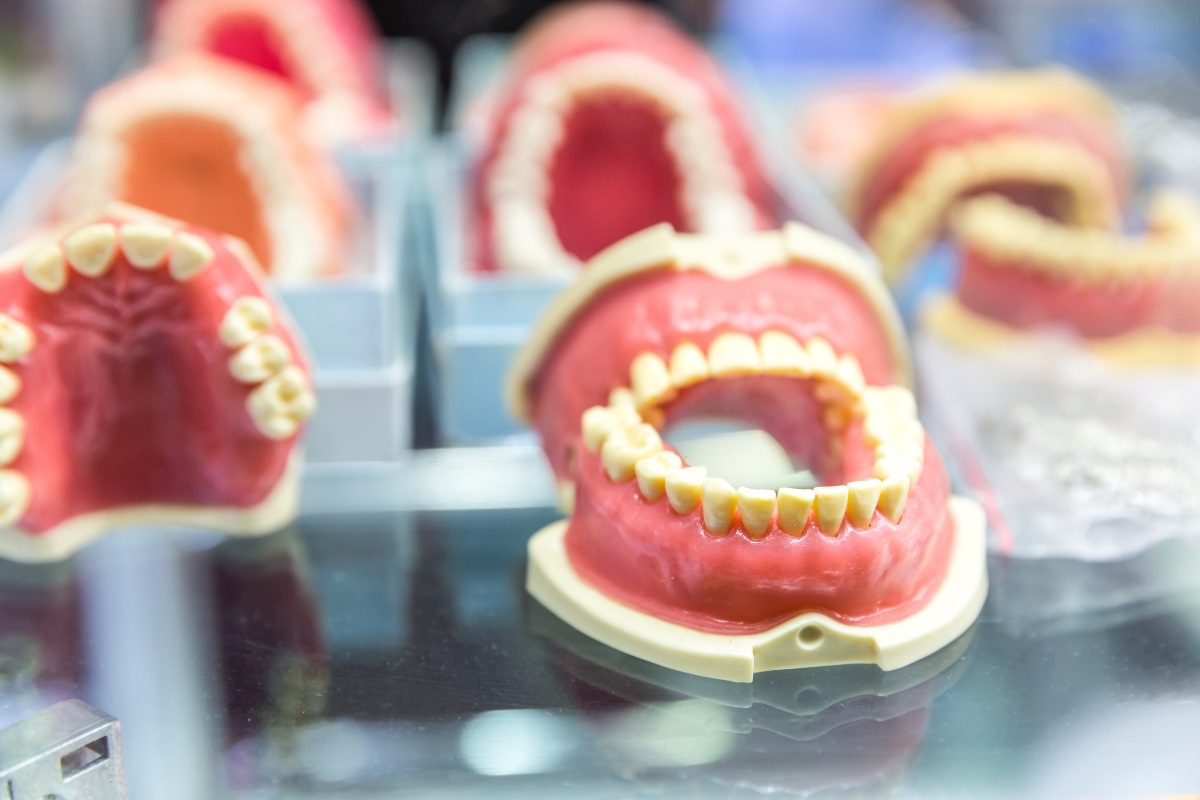
Dentures can help restore your smile and make everyday activities like eating and speaking easier. Like natural teeth, however, they need regular cleaning and proper care. Food particles, plaque, and stains can accumulate on dentures, while careless handling or unsuitable cleaning products can damage them.
The good news is that caring for dentures does not have to be complicated. A consistent daily routine can help keep them clean, comfortable, and in good condition. If you are exploring dentures treatment in Monroe, understanding how to maintain your dentures is an important part of preparing for life with them.
Whether you wear full or partial dentures, the following guide explains how to clean them, which products to avoid, and when to ask a dental professional for help.
Quick Answer: How Do You Clean Dentures?
To clean dentures, remove them from your mouth and rinse away loose food particles. Gently brush all surfaces with a soft-bristled denture brush and a denture-safe cleanser. Rinse thoroughly before putting them back in. When they are not being worn, keep them moist as directed by your dental professional or the denture manufacturer’s instructions.
Avoid hot water, abrasive toothpaste, and household cleaning products that could damage your dentures.
1. Rinse Your Dentures After Eating
One of the simplest ways to maintain denture hygiene is to rinse your dentures after meals whenever practical.
Food can become trapped around the teeth, along the gum-facing surface, or between partial dentures and their metal or plastic components. Rinsing helps remove loose debris before it builds up.
How to rinse dentures safely
- Remove your dentures carefully over a folded towel or a basin partly filled with water to reduce the risk of breakage if they slip.
- Hold them securely and rinse under lukewarm or cool running water.
- Check for food particles around the teeth and along the inner surfaces.
- Avoid bending or pulling on any clasps attached to partial dentures.
Rinsing is helpful between meals, but it does not replace thorough daily brushing and cleaning.
2. Brush Your Dentures Every Day
Daily brushing removes food debris, plaque, and some surface stains. It also helps prevent the buildup that can contribute to unpleasant odors and irritation.
Use a soft-bristled denture brush or another brush specifically recommended for your appliance. Clean every surface gently, including the areas that rest against your gums.
What should you use to brush dentures?
Choose a cleanser designed for your type of denture. Ordinary toothpaste may be too abrasive for many denture materials and can leave small scratches where debris and stains accumulate.
Follow the product instructions and your dentist’s recommendations. Brush over a soft towel or a water-filled basin so the dentures are less likely to break if dropped.
If you wear partial dentures, clean around the clasps and other components carefully. Avoid forcing the brush into narrow spaces or bending the appliance.
3. Choose the Right Denture Cleaning Products
Not every product suitable for natural teeth is appropriate for dentures. Some household cleaners and whitening products can discolor, scratch, or weaken denture materials.
Look for a cleanser labeled as suitable for your specific appliance. Some removable dentures can be soaked in denture-cleaning solutions, while others may require different care depending on their materials or attachments.
Products to avoid
Unless your dental professional or the manufacturer specifically instructs otherwise, avoid:
- Abrasive toothpaste: It can scratch certain denture surfaces.
- Hot or boiling water: Heat can warp the shape of dentures.
- Bleach and household cleaners: These can damage materials or metal components and may leave harmful residues.
- Unapproved whitening products: Products designed for natural teeth may not be suitable for dentures.
Always rinse dentures thoroughly after using a cleaning solution, following the product directions.
4. Remove Dentures at Night When Advised
Many denture wearers should remove their dentures overnight to give the tissues in their mouths time to rest. Your dentist may recommend a different schedule in certain circumstances, especially immediately after extractions or during the initial adjustment period.
Before storing your dentures, clean them thoroughly. Place them in clean water or the soaking solution recommended for your appliance so they do not dry out or lose their shape.
Never assume every denture can be stored in the same solution. If you have dentures with special materials, attachments, or implant-supported components, ask your dental professional about the correct storage method.
5. Clean Your Mouth Even When Wearing Dentures
Dentures do not eliminate the need for oral hygiene. Your gums, tongue, palate, and any remaining natural teeth still need regular care.
For full denture wearers, gently clean the gums, roof of the mouth, and tongue with a soft toothbrush or another tool recommended by your dentist. This helps remove debris and supports a clean mouth.
If you wear partial dentures, brush your remaining natural teeth with fluoride toothpaste and clean between them as appropriate. Pay particular attention to the teeth that support or contact your partial denture.
If your mouth becomes sore, swollen, or persistently irritated, arrange a dental evaluation rather than assuming that discomfort is a normal part of wearing dentures.
6. Handle and Store Dentures Carefully
Dentures can crack or break if dropped, twisted, or handled roughly. Make cleaning safer by following a few simple precautions.
- Hold dentures over a folded towel or a basin containing water.
- Use both hands when handling a full denture if that gives you better control.
- Avoid bending partial denture clasps to make the appliance fit differently.
- Keep dentures away from pets and children when they are not being worn.
- Store them in a clean, designated container away from accidental damage.
If your dentures crack, develop a sharp edge, or break, do not attempt to repair them with household glue. Contact your dental professional for guidance.
7. Watch for Changes in Fit, Comfort, or Appearance
Even with careful cleaning, dentures can become worn or fit differently over time. Changes in your mouth can also affect how they sit.
Pay attention to warning signs such as:
- Dentures that slip or move while eating or speaking.
- New sore spots or repeated gum irritation.
- Cracks, chips, or damaged clasps.
- Persistent odors or stains that do not improve with proper cleaning.
- Difficulty chewing comfortably.
These issues do not always mean you need a new set of dentures. An examination can help determine whether cleaning habits, an adjustment, a repair, or replacement should be considered.
If you are researching signs you need dentures, remember that missing or severely damaged teeth should be assessed by a dental professional. The appropriate treatment depends on your oral health and individual needs.
Frequently Asked Questions
How often should you clean dentures?
Clean your dentures at least once daily with a denture-safe cleanser and a suitable brush. Rinse them after meals when possible, and clean your mouth as well. Follow your dentist’s instructions for your particular appliance.
Can you use regular toothpaste on dentures?
Regular toothpaste can be too abrasive for many dentures and may scratch their surfaces. A cleanser designed for dentures is generally a better choice. Ask your dental professional which product is suitable for your appliance.
Should dentures be kept in water overnight?
Many removable dentures should be kept moist when they are out of the mouth, but the correct storage method depends on the appliance. Use water or an approved soaking solution according to the manufacturer’s directions and your dentist’s advice. Do not use hot water.
How do you remove stains and odors from dentures?
Brush your dentures daily and use a suitable denture cleanser according to its instructions. Persistent stains or odors may require professional cleaning or an examination to identify the cause. Avoid bleach, abrasive products, or unapproved whitening treatments.
When should you see a dentist about your dentures?
Schedule an evaluation if your dentures become loose, cause recurring soreness, develop cracks, or make chewing difficult. Do not try to reshape them yourself. A dentist can assess their fit and condition and recommend appropriate care.
Keep Your Dentures Clean and Comfortable
A dependable denture-care routine starts with gentle daily brushing, thorough rinsing, appropriate storage, and regular attention to your oral health. Choosing the right cleaning products and handling your dentures carefully can also help reduce avoidable damage.
If you wear dentures and have questions about cleaning, comfort, or fit, a dental professional can help you determine the best care routine for your needs.
For patients in Monroe, Eddleman Dental provides a starting point for exploring denture treatment options.
Contact Eddleman Dental to discuss your denture concerns and determine whether an appointment is appropriate for your situation.