Missing teeth can affect more than your smile. They may make chewing uncomfortable, change how you speak, or leave you feeling less confident in social situations. If you have damaged teeth or several gaps in your smile, you might wonder whether dentures could help restore everyday comfort and function.
Recognizing the signs you need dentures is a useful first step toward understanding your options. Some people need dentures after losing several teeth, while others may benefit from them when remaining teeth are severely damaged and cannot be restored predictably. If you are exploring whether a denture in Monroe may be appropriate for your situation, a dental evaluation can help you understand the available options.
At Eddleman Dental in Monroe, Louisiana, patients can explore denture-related care and discuss concerns about missing teeth with a dental professional. Here are seven signs that it may be time to schedule an appointment.
7 Signs You May Need Dentures
1. You Have Lost Several Teeth
One of the clearest signs that dentures may be worth considering is the loss of multiple teeth. Tooth loss can happen for different reasons, including advanced gum disease, severe decay, injuries, or other dental problems.
Missing several teeth may create noticeable gaps and make everyday activities, such as chewing, more challenging. Depending on which teeth are missing and the condition of the remaining teeth, a dentist may discuss partial dentures, full dentures, or other tooth-replacement options.
You do not necessarily need to wait until you have lost most of your teeth to explore replacement options. An evaluation can help you understand which treatments may suit your needs.
2. You Have Difficulty Chewing Certain Foods
Do you avoid crunchy vegetables, firm fruits, nuts, or other foods because chewing has become uncomfortable or difficult?
Missing teeth can reduce your ability to break down food efficiently. Damaged teeth, an uncomfortable bite, or other oral health problems can also contribute to chewing difficulties.
Dentures may help restore chewing function when missing teeth are the main cause. However, discomfort while eating can have several explanations, so it is important to identify the underlying problem before choosing a treatment.
If you regularly change what you eat because of dental difficulties, consider discussing these changes with your dentist.
3. Your Remaining Teeth Are Severely Damaged
Teeth affected by extensive decay, fractures, or other serious problems may sometimes be difficult to restore. In certain cases, a dentist may determine that extraction is necessary.
If multiple teeth cannot be preserved, dentures may be one option for replacing them. The appropriate approach depends on the number of affected teeth, the condition of your gums and jawbone, and your overall oral health.
It is important to remember that a damaged tooth does not automatically mean you need dentures. Fillings, crowns, root canal treatment, or other procedures may preserve some teeth, depending on the diagnosis.
A professional examination can help determine whether your natural teeth can be saved or whether replacement options should be considered.
4. You Notice Changes in Your Bite
Your upper and lower teeth work together when you chew and speak. When teeth are missing, the way your remaining teeth meet may change.
You might notice that chewing feels uneven, certain teeth touch differently, or your bite no longer feels the way it used to. Missing teeth can also allow neighboring teeth to shift over time, potentially affecting how your teeth fit together.
These changes do not always mean dentures are necessary. Your dentist will need to assess your bite, the number of missing teeth, and the condition of the remaining teeth before recommending treatment.
If your bite has changed noticeably, arranging an examination can help identify the cause and prevent you from overlooking a developing dental problem.
5. You Feel Self-Conscious About Gaps in Your Smile
Tooth loss can affect how comfortable you feel smiling, talking, or meeting new people. You may find yourself covering your mouth when laughing or avoiding photographs because you are concerned about visible gaps.
Dentures can replace missing teeth and help restore the appearance of your smile. Depending on your needs, partial dentures may replace some teeth, while full dentures may replace an entire upper or lower arch.
Appearance is only one part of the decision. Your dentist can also discuss fit, comfort, maintenance, and how a particular option may support your daily activities.
If missing teeth are affecting your confidence, you do not have to wait for the situation to become more difficult before asking about treatment.
6. You Have Trouble Speaking Clearly
Your teeth, tongue, and lips work together to produce many speech sounds. Missing teeth can sometimes affect how air moves through your mouth, making certain words or sounds harder to pronounce.
You may notice changes in your speech after losing teeth, particularly when the gaps involve the front teeth. However, speech difficulties can also have causes unrelated to tooth loss.
Dentures may help improve speech when missing teeth are contributing to the problem. New dentures can also require an adjustment period while you become accustomed to speaking with them.
If speech changes develop suddenly or occur alongside other concerning symptoms, seek appropriate medical evaluation rather than assuming missing teeth are responsible.
7. You Experience Ongoing Problems With Your Remaining Teeth or Gums
Recurring tooth pain, bleeding gums, swelling, and loose teeth can indicate underlying oral health problems that need attention. Advanced gum disease, for example, can damage the tissues and bone that support teeth.
These symptoms do not automatically mean dentures are needed. Some teeth may still be treatable, and gum disease may require treatment to protect the remaining teeth.
However, when several teeth have become too damaged or unstable to retain, a dentist may discuss replacing them with dentures or another suitable option.
Do not ignore persistent pain, gum swelling, or loose adult teeth. Prompt evaluation can help determine what is happening and whether treatment is needed to preserve your natural teeth or replace missing ones.
What Types of Dentures Might Be Right for You?
The best option depends on how many teeth are missing and the condition of your remaining teeth and oral tissues.
- Partial dentures: These replace some missing teeth when suitable natural teeth remain.
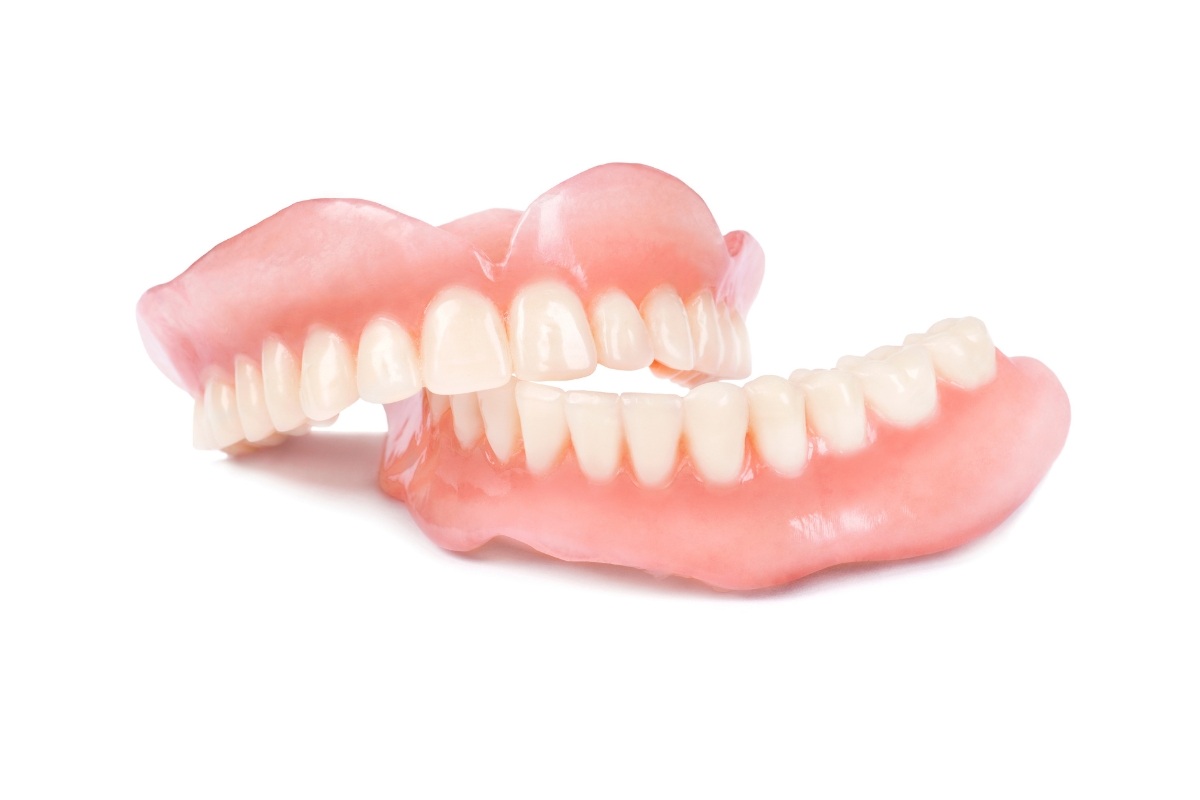
- Full dentures: These replace all teeth in the upper arch, lower arch, or both.
- Immediate dentures: These are placed around the time remaining teeth are removed, when appropriate. Adjustments or replacement may be needed as the mouth heals.
Proper denture care is essential for maintaining cleanliness and comfort. Learn how to clean dentures to understand daily cleaning practices and keep your dentures in good condition.
Other tooth-replacement options may also be worth discussing, depending on your oral health, preferences, and treatment goals.
If you are considering dentures in Monroe, LA, a dental professional can explain the differences between the options, what the process involves, and how to care for your replacement teeth.
When Should You See a Dentist About Dentures?
You do not need to wait until eating becomes difficult or several teeth have been lost to seek advice. Consider scheduling an appointment if you notice persistent chewing problems, multiple missing teeth, significant tooth damage, or changes in your bite.
During an evaluation, your dentist may examine your teeth and gums, review your dental history, and recommend imaging if needed. This helps determine whether existing teeth can be preserved and which replacement options may be appropriate.
If you have severe pain, facial swelling, or signs of a spreading dental infection, seek prompt dental care.
For patients exploring dental care locally, you can also view Eddleman Dental on Google and find the office when planning a visit.
Frequently Asked Questions
1. How do I know if I need partial or full dentures?
Partial dentures may be appropriate when you are missing some teeth but still have suitable natural teeth remaining. Full dentures may be considered when all teeth in an upper or lower arch need to be replaced. A dental examination is necessary to determine which option fits your situation.
2. Can I get dentures if I still have some natural teeth?
Yes. Partial dentures are designed to replace missing teeth while working alongside suitable remaining natural teeth. Whether they are appropriate depends on the health and stability of your remaining teeth and gums.
3. Is it better to save a natural tooth or get a denture?
When a natural tooth can be predictably restored, preserving it may be possible. However, some teeth are too damaged or unstable to retain. Your dentist can explain the benefits, limitations, and long-term considerations of preserving a tooth versus replacing it.
4. Are dentures difficult to get used to?
Adjusting to dentures can take time. You may need practice speaking and eating, and your dentist may recommend adjustments to improve the fit. Follow the care instructions provided and schedule follow-up visits if your dentures cause persistent discomfort or sore spots.
5. How long do dentures last?
Dentures do not last forever. Their lifespan varies depending on the materials, daily care, wear, and changes in the shape of your gums and jaw. Regular dental checkups can help determine when adjustments, relining, or replacement may be needed.
Take the Next Step Toward a Healthier Smile
Recognizing the signs you need dentures can help you seek advice before missing or damaged teeth interfere further with your daily life. Difficulty chewing, multiple missing teeth, changes in your bite, and persistent dental problems are all reasons to consider a professional evaluation.
Dentures are not the only solution for every patient, and the right treatment depends on your individual oral health. Eddleman Dental in Monroe, LA, can help you explore denture-related concerns and understand the options available for your needs.