Having a dental implant placed is an important step toward restoring your smile and oral function. Once the procedure is finished, though, you may have a very practical question: what can I eat after dental implant surgery?
The answer is usually simpler than you might expect. During the early stages of healing, your mouth needs foods that are soft, easy to eat, and unlikely to irritate the surgical area. If you’re considering treatment or preparing for an upcoming procedure, an implant dentist in Monroe can also provide personalized aftercare instructions based on your specific treatment.
Eddleman Dental in Monroe, LA provides detailed postoperative guidance for patients recovering from dental implant procedures. Because every implant case is different, your dentist’s instructions should always take priority over general dietary advice.
Quick Answer
After dental implant surgery, choose soft or liquid foods that require little chewing. Good options can include yogurt, applesauce, pudding, mashed potatoes, scrambled eggs, cottage cheese, smoothies eaten without a straw, and cooled or lukewarm blended soups. Avoid hard, crunchy, sticky, spicy, or very hot foods while the surgical area is healing.
The exact length of time you need to follow a soft-food diet depends on the procedure, the number and location of implants, whether bone grafting was performed, and how your mouth is healing.
Why Does Your Diet Matter After Implant Surgery?
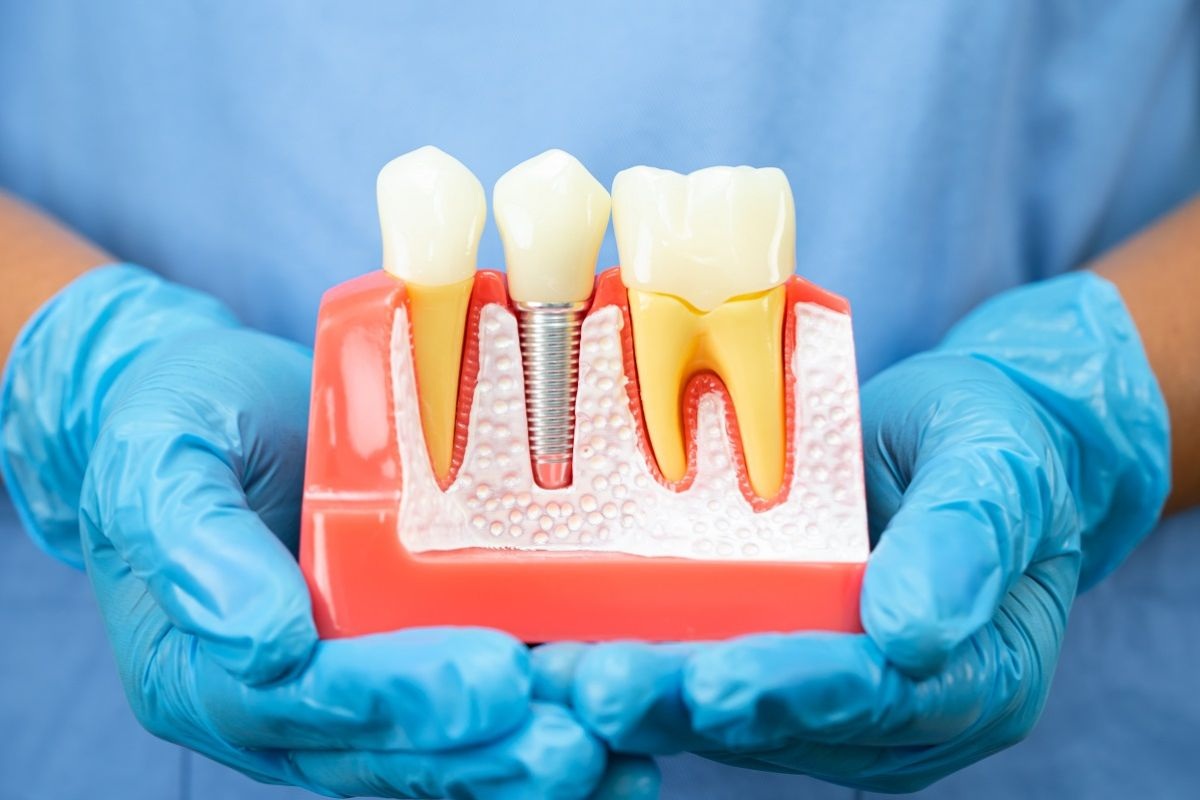
A dental implant is placed into the jawbone and needs time to heal and integrate with the surrounding bone. Eddleman Dental explains that the implant undergoes a healing period after placement before the later stages of restoration are completed.
Eating carefully during the early recovery period can help you avoid putting unnecessary pressure on the surgical site.
Think of it this way: you don’t need to stop eating—you simply need to make eating easier on your mouth.
Foods that are soft and require minimal chewing can be more comfortable while swelling and tenderness are present. Hard or crunchy foods, on the other hand, may irritate the area or place unwanted pressure near the implant.
Best Foods to Eat After Dental Implant Surgery
Knowing what foods to have available before surgery can make recovery much easier.
1. Yogurt and Cottage Cheese
Plain or smooth yogurt is an easy option because it requires virtually no chewing. Cottage cheese can also provide a soft source of protein.
Choose varieties without nuts, seeds, granola, or other crunchy additions.
2. Mashed Potatoes and Soft Vegetables
Mashed potatoes, mashed sweet potatoes, and thoroughly cooked vegetables can provide satisfying meals without requiring much chewing.
Make sure foods are comfortably warm rather than piping hot, particularly immediately after surgery.
3. Scrambled Eggs
Soft scrambled eggs are another convenient choice. They are easy to chew and can help make meals more substantial when your food choices are temporarily limited.
4. Applesauce and Soft Fruit
Applesauce, mashed banana, and other soft fruits can be easier to eat during the early recovery period.
Avoid fruits with hard pieces, seeds, or tough skins that could become irritating around the surgical area.
5. Smoothies
Smoothies can be a convenient way to get calories and nutrients when chewing is uncomfortable.
However, do not drink smoothies through a straw unless your dentist specifically tells you otherwise. Suction can interfere with healing after oral surgery. Instead, drink from a cup or use a spoon.
6. Soft Pasta and Cooked Grains
As your mouth becomes more comfortable, well-cooked pasta and other soft foods may be easier to tolerate.
Your dentist may recommend gradually increasing the texture of your foods as healing progresses rather than immediately returning to your normal diet.
7. Blended or Lukewarm Soups
Smooth soups can be an excellent option after implant surgery. Allow them to cool to a comfortable temperature before eating.
Avoid soups containing hard vegetables, crunchy toppings, or large pieces of meat during the earliest stage of recovery.
Foods to Avoid After Dental Implant Surgery
Knowing what not to eat can be just as important as knowing what to eat.
Hard and Crunchy Foods
Temporarily avoid foods such as:
- Chips
- Popcorn
- Nuts
- Crackers
- Hard pretzels
- Crunchy raw vegetables
- Hard crusts of bread
These foods can be difficult to chew and may irritate the surgical area.
Sticky or Chewy Foods
Caramel, taffy, chewing gum, and similar foods can place unnecessary stress on your mouth and may be difficult to manage while you’re healing.
Very Hot Foods and Drinks
Coffee, tea, soup, and other foods or drinks should not be excessively hot immediately after surgery. Cool or comfortably warm foods are generally easier on the surgical area during the early recovery period.
Spicy or Acidic Foods
Spicy foods can irritate sensitive surgical tissues. Highly acidic foods and beverages may also be uncomfortable around healing tissues, so it’s sensible to avoid them during the earliest part of recovery if they cause irritation.
A Simple Dental Implant Recovery Diet
Your diet may change as your mouth becomes more comfortable.
First Day
Focus on liquids and very soft foods that require little or no chewing. Examples include yogurt, applesauce, pudding, smoothies without a straw, and cooled or lukewarm blended foods.
If anesthesia has left your mouth numb, be especially careful not to bite your cheek, lip, or tongue.
Following Several Days
You can generally begin incorporating additional soft foods as tolerated and according to your dentist’s instructions. Options may include scrambled eggs, mashed potatoes, soft pasta, cottage cheese, and well-cooked vegetables.
Try to avoid chewing directly over the implant site.
As Healing Progresses
Your dentist will let you know when it is appropriate to gradually return to a more normal diet. Don’t assume that feeling better means the implant has completely finished healing.
Dental implant healing can take considerably longer than the initial period of soreness. Eddleman Dental notes that the implant needs a healing period to fuse with the surrounding bone before subsequent stages of treatment.
Practical Tips for Eating During Recovery
A few simple habits can make mealtimes more comfortable:
Take small bites: Smaller portions are easier to manage when your mouth is tender.
Chew away from the surgical site: If your dentist has advised you to chew on the opposite side, follow that recommendation.
Keep foods at a comfortable temperature: Especially during the first day, avoid foods and beverages that are excessively hot.
Stay hydrated: Drink plenty of water unless your healthcare provider has given you different instructions.
Don’t rush back to crunchy foods: Even if swelling and discomfort improve quickly, the implant may still be healing underneath the gum.
Follow your dentist’s specific instructions: Your recovery plan may be different if you had multiple implants, a tooth extraction, bone grafting, or another procedure at the same time.
When Can You Eat Normally After Dental Implant Surgery?
There isn’t one universal timetable for everyone.
Some patients can gradually introduce more foods after several days, while others may need to maintain a softer diet for longer. The University of Rochester’s postoperative implant guidance, for example, recommends liquids initially, followed by soft foods and a gradual return to regular foods as tolerated.
Your dentist will consider the type of implant procedure you had and how you’re healing before advising you to return to harder foods.
When in doubt, don’t test the implant by biting into something particularly hard.
How Does Nutrition Fit Into Implant Recovery?
A soft diet doesn’t have to mean an unhealthy diet.
Try to choose nutritious foods from different food groups whenever you can. Soft protein sources, dairy products if appropriate for you, cooked vegetables, soft fruits, and other nutrient-rich foods can help you maintain a balanced diet while chewing is limited.
If your diet is temporarily restricted, planning meals before surgery can help you avoid relying entirely on convenience foods.
Caring for Your Implant After the Initial Recovery
Diet is only one part of dental implant aftercare.
Once your dentist allows you to return to your regular oral hygiene routine, keeping the implant and surrounding tissues clean becomes an important part of long-term care. Regular dental visits also allow your dentist to monitor the implant and surrounding gums.
For additional guidance, read our dental implant maintenance tips to learn more about protecting your investment over the long term.
If you are still experiencing significant discomfort or are unsure whether a particular food is appropriate, contact your dental office rather than guessing.
When Should You Contact Your Dentist?
Some soreness, swelling, and minor bleeding can occur after dental implant surgery. Eddleman Dental notes that recovery varies and that patients receive postoperative instructions specific to their procedure.
Contact your dental provider if you experience symptoms that concern you, particularly severe or worsening pain, persistent bleeding, significant swelling, fever, difficulty swallowing or breathing, or other unexpected changes.
Your dentist can determine whether what you’re experiencing is part of normal healing or needs additional attention.
Frequently Asked Questions
What is the best food to eat after dental implant surgery?
Soft foods that require little chewing are generally good choices. Yogurt, applesauce, mashed potatoes, scrambled eggs, pudding, cottage cheese, and cooled blended soups are examples. Follow your dentist’s instructions because your recommended diet may depend on the procedure you received.
Can I eat normally after dental implant surgery?
Not necessarily right away. Most patients need to modify their diet temporarily. As healing progresses, your dentist can tell you when to gradually reintroduce firmer foods.
Can I drink a smoothie after getting a dental implant?
Yes, smoothies can be a convenient soft-food option. However, avoid using a straw unless your dentist specifically approves it because suction can interfere with healing after oral surgery.
Can I eat hot food after dental implant surgery?
Very hot foods and beverages are generally best avoided immediately after surgery. Choose cool or comfortably warm foods instead, particularly during the first day.
How long should I eat soft foods after dental implant surgery?
The appropriate timeframe varies. Some postoperative guidance recommends soft foods for several days followed by a gradual return to regular foods, while more extensive procedures may require longer restrictions. Your implant dentist should determine the timeline for your specific case.
Conclusion
Knowing what to eat after dental implant surgery can make the early recovery period more comfortable. Start with soft, easy-to-eat foods such as yogurt, applesauce, mashed potatoes, eggs, pudding, smoothies without straws, and cooled soups. Avoid hard, crunchy, sticky, spicy, and excessively hot foods until your dental team says it is safe to expand your diet.
Most importantly, don’t compare your recovery with someone else’s. Implant procedures differ, and your dentist’s postoperative instructions should guide your decisions.
If you’re considering dental implants or have questions about recovery, Eddleman Dental provides implant care for patients in Monroe, LA. The practice is located at 2511 Broadmoor Blvd. and offers personalized dental care supported by advanced technology and a patient-focused approach.
You can see what patients are saying on Google or contact Eddleman Dental at +1 3189008717 to discuss your dental implant needs and schedule an appointment.