
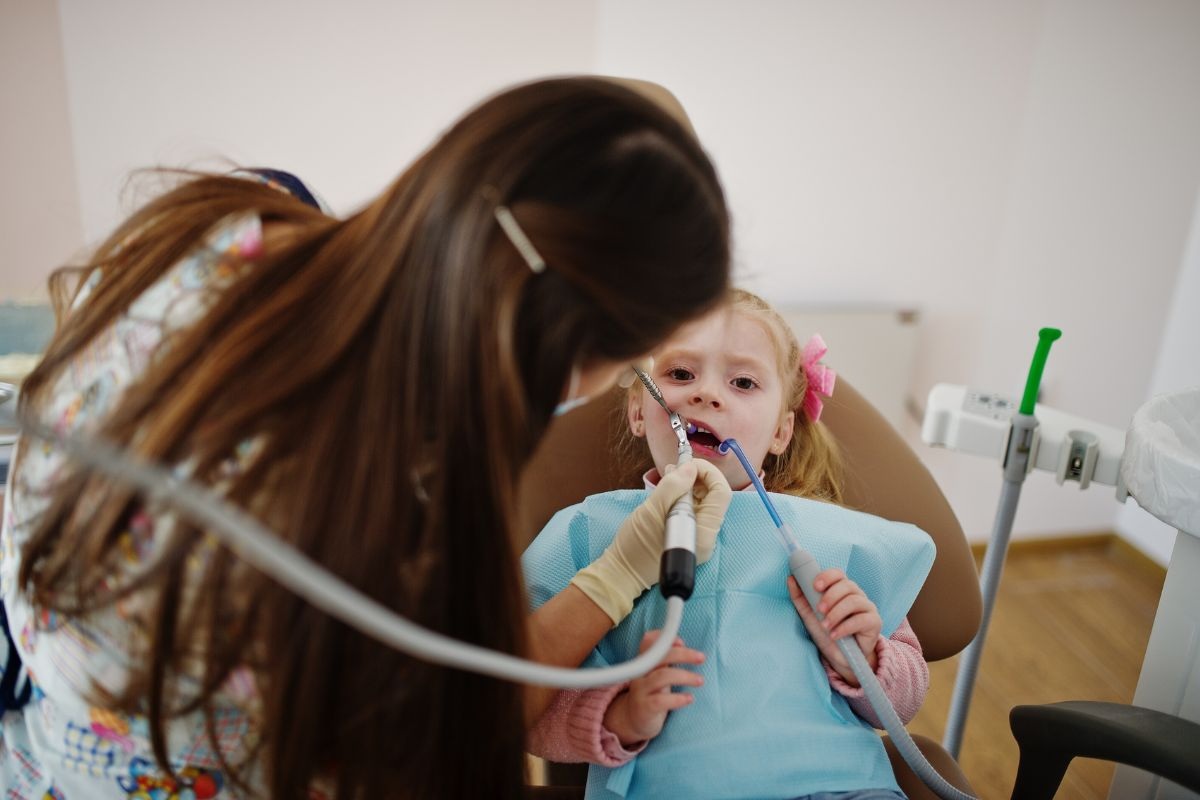
A child’s healthy smile starts with good oral hygiene habits and regular dental visits. From the appearance of the first baby tooth to the arrival of permanent teeth, children’s mouths go through many changes. Regular dental appointments help parents stay informed about these changes while giving children the professional care they need as they grow.
Many parents assume dental visits are only necessary when a child develops a toothache or visible cavity. However, routine examinations play an important role in preventing dental problems and identifying concerns before they become more complicated. Establishing a consistent dental routine early also helps children become familiar with the dental environment.
At Eddleman Dental, we believe early attention to oral health helps establish a strong foundation for growing smiles. Families looking for children’s dental care in Monroe can benefit from regular examinations, professional cleanings, and guidance on maintaining healthy teeth at home.
Quick Answer: Why Are Regular Dental Checkups Important for Children?
Regular dental checkups help children maintain healthy teeth and gums as their mouths develop. These visits allow dentists to identify early signs of cavities, monitor tooth development, provide professional cleanings, and recommend preventive treatments such as fluoride and dental sealants when appropriate. They also help children develop positive dental habits that can continue into adulthood.
1. Help Prevent Cavities and Tooth Decay
Cavities are among the common dental concerns during childhood. Children may be more likely to develop tooth decay because of frequent snacking, sugary drinks, inconsistent brushing, or difficulty cleaning certain areas of their mouths.
Regular dental examinations help identify early signs of tooth decay, sometimes before children experience discomfort. This gives parents an opportunity to address concerns before they progress.
During routine appointments, the dental team can:
- Examine teeth for early signs of decay.
- Check areas where plaque and food particles may collect.
- Recommend appropriate preventive treatments.
- Discuss brushing and flossing habits.
- Provide advice about limiting sugary snacks and drinks.
Professional cleanings also help remove plaque and buildup that regular brushing may not completely eliminate.
Preventive care, combined with consistent home hygiene, can help reduce the risk of cavities and support healthier smiles.
2. Monitor the Development of Baby Teeth and Permanent Teeth
Baby teeth are important even though they eventually fall out. They help children chew food, develop clear speech, and maintain the space needed for permanent teeth.
As children grow, their teeth and jaws go through several developmental stages. Regular dental checkups allow the dentist to observe these changes and identify potential concerns.
For example, dental examinations can help monitor:
- The eruption of new teeth.
- The natural loss of baby teeth.
- The positioning of permanent teeth.
- Changes in the bite.
- Signs of crowding or spacing concerns.
If a baby tooth develops significant decay or is lost prematurely, it may affect the space available for permanent teeth.
Monitoring dental development helps parents understand what is happening in their child’s mouth and whether additional evaluation may be necessary.
3. Identify Dental Problems Before They Become More Serious
Children do not always recognize or communicate dental problems clearly. A small cavity, irritated gum tissue, or developing dental concern may go unnoticed until it causes discomfort.
Routine examinations give the dentist an opportunity to look for problems that parents may not easily recognize at home.
Depending on the child’s needs, the dentist may evaluate:
- Early tooth decay.
- Gum inflammation.
- Enamel concerns.
- Tooth damage or wear.
- Changes in tooth alignment.
- Other abnormalities involving the teeth and surrounding tissues.
Identifying these concerns early may allow for simpler treatment options and help prevent avoidable discomfort.
Parents should also contact their dental office if their child experiences persistent tooth pain, swelling, bleeding, or sensitivity rather than waiting for the next scheduled appointment.
4. Provide Professional Cleanings and Preventive Treatments
Even children who brush regularly can have difficulty reaching certain areas of their mouths. Plaque can collect around the gumline and between teeth, making professional cleaning an important part of preventive dental care.
During a cleaning, dental professionals remove plaque and buildup and assess the condition of the teeth and gums.
Depending on the child’s age and individual oral health needs, additional preventive treatments may be recommended.
Fluoride Treatments
Fluoride is a mineral that helps strengthen tooth enamel and makes teeth more resistant to acid attacks that contribute to tooth decay.
Professional fluoride treatments may be recommended based on the child’s cavity risk, age, and dental health.
Dental Sealants
Dental sealants are thin protective coatings applied to the chewing surfaces of certain back teeth. Their purpose is to cover the small grooves and pits where food particles and bacteria can collect.
Sealants can provide additional protection against cavities, particularly on permanent molars.
At Eddleman Dental, pediatric services include professional cleanings, fluoride treatments, and dental sealants when appropriate.
5. Teach Children Healthy Oral Hygiene Habits
Children are still learning how to care for their teeth. They may rush through brushing, miss certain areas, or forget to floss.
Regular dental appointments provide opportunities for children and parents to receive practical guidance on everyday oral hygiene.
The dental team can explain:
- How to brush teeth correctly.
- Why cleaning along the gumline matters.
- When to introduce daily flossing.
- How much fluoride toothpaste to use.
- Which foods and drinks support better oral health.
These conversations can also help parents understand how to supervise their children’s brushing routines.
As children become more independent, regular reinforcement helps them take greater responsibility for their oral health.
6. Help Children Feel More Comfortable Visiting the Dentist
A child’s early dental experiences can influence how they feel about dental appointments as they grow older.
Children who visit the dentist regularly have opportunities to become familiar with the office, dental equipment, and examination process. This familiarity may help reduce uncertainty and make future appointments feel more manageable.
Parents can support positive experiences by:
- Speaking positively about dental visits.
- Avoiding frightening descriptions of dental procedures.
- Explaining what will happen in simple language.
- Allowing children to ask questions.
- Praising their cooperation after appointments.
At Eddleman Dental, the team emphasizes a friendly, welcoming atmosphere and works to make pediatric dental visits comfortable and positive for young patients.
7. Understand When Additional Dental Care Is Needed
Routine checkups are also an opportunity to discuss concerns that may require attention beyond a standard cleaning.
For example, a dentist may identify a cavity that needs a filling or recommend additional protection for teeth that are more vulnerable to decay.
Parents can also ask questions about:
- Tooth sensitivity.
- Thumb sucking and pacifier habits.
- Changes in the bite.
- Difficulty brushing certain teeth.
- Dental injuries.
- The timing of permanent tooth eruption.
Every child has different dental needs. Recommendations should be based on an individual examination rather than assuming all children require the same treatments.
When Should Children Start Going to the Dentist?
The American Academy of Pediatric Dentistry recommends scheduling a child’s first dental visit when the first tooth appears and no later than their first birthday.
This early appointment allows the dentist to examine developing teeth and gums while helping parents understand proper infant oral hygiene.
After the first visit, many children benefit from dental checkups every six months. However, the appropriate schedule may vary depending on cavity risk, oral health, and individual dental needs.
At Eddleman Dental, the recommended routine for children is generally twice-yearly dental visits, with additional appointments when indicated.
How Can Parents Maintain Their Children’s Oral Health Between Visits?
Dental checkups are important, but daily habits at home play an equally important role in maintaining healthy teeth.
Parents can encourage good oral hygiene by following these simple practices:
- Brush twice daily: Help children brush for two minutes in the morning and before bedtime using fluoride toothpaste.
- Supervise brushing: Young children may need assistance to ensure all tooth surfaces are cleaned properly.
- Introduce flossing: Begin flossing when two teeth touch, helping remove food particles and plaque between them.
- Limit sugary snacks: Reduce frequent consumption of candy, sweetened drinks, and other sugary foods.
- Choose tooth-friendly snacks: Offer nutritious options such as cheese, vegetables, and other foods that support a balanced diet.
- Encourage water: Drinking water throughout the day helps support good oral hygiene.
- Keep dental appointments: Follow the schedule recommended by your child’s dentist.
Parents looking for more practical advice can also explore these tips to prevent cavities in kids to support healthier everyday routines.
Frequently Asked Questions
1. How often should children have dental checkups?
Many children should visit the dentist every six months for routine examinations and cleanings. However, children with a higher risk of cavities or other dental concerns may need more frequent appointments. The dentist can recommend an appropriate schedule based on individual needs.
2. At what age should a child have their first dental appointment?
Children should have their first dental visit when their first tooth appears or no later than their first birthday. Early examinations help monitor oral development and give parents guidance on caring for their child’s teeth.
3. Are dental checkups necessary if my child still has baby teeth?
Yes. Baby teeth play important roles in chewing, speech development, and maintaining space for permanent teeth. Regular examinations help identify cavities and other concerns affecting baby teeth before they become more serious.
4. What happens during a child’s routine dental checkup?
A routine appointment may include an examination of the teeth, gums, tongue, and other oral tissues, along with a professional cleaning. Depending on the child’s needs, the dentist may recommend fluoride treatment, dental sealants, or dental X-rays when clinically necessary.
5. What if my child is afraid of visiting the dentist?
Parents can help by talking positively about dental appointments, explaining the process in simple terms, and encouraging questions. Choosing a dental team that understands children’s concerns can also help create a more comfortable experience. If your child has significant dental anxiety, discuss it with the dental team before the appointment.
Give Your Child’s Smile a Healthy Start With Regular Dental Checkups
Regular dental checkups are about more than keeping teeth clean. They help parents stay informed about their child’s oral development, address potential concerns early, and build healthy habits that can last a lifetime.
From the first baby tooth to the teenage years, consistent dental care can make a meaningful difference in maintaining healthy teeth and gums.
At Eddleman Dental, we provide pediatric dental care focused on prevention, education, and comfortable dental experiences for children. If you are looking for children’s dental checkups in Monroe, our team is ready to help you take the next step toward supporting your child’s oral health.
Schedule an appointment with Eddleman Dental to discuss your child’s dental needs and establish a routine that supports a healthy, growing smile.