
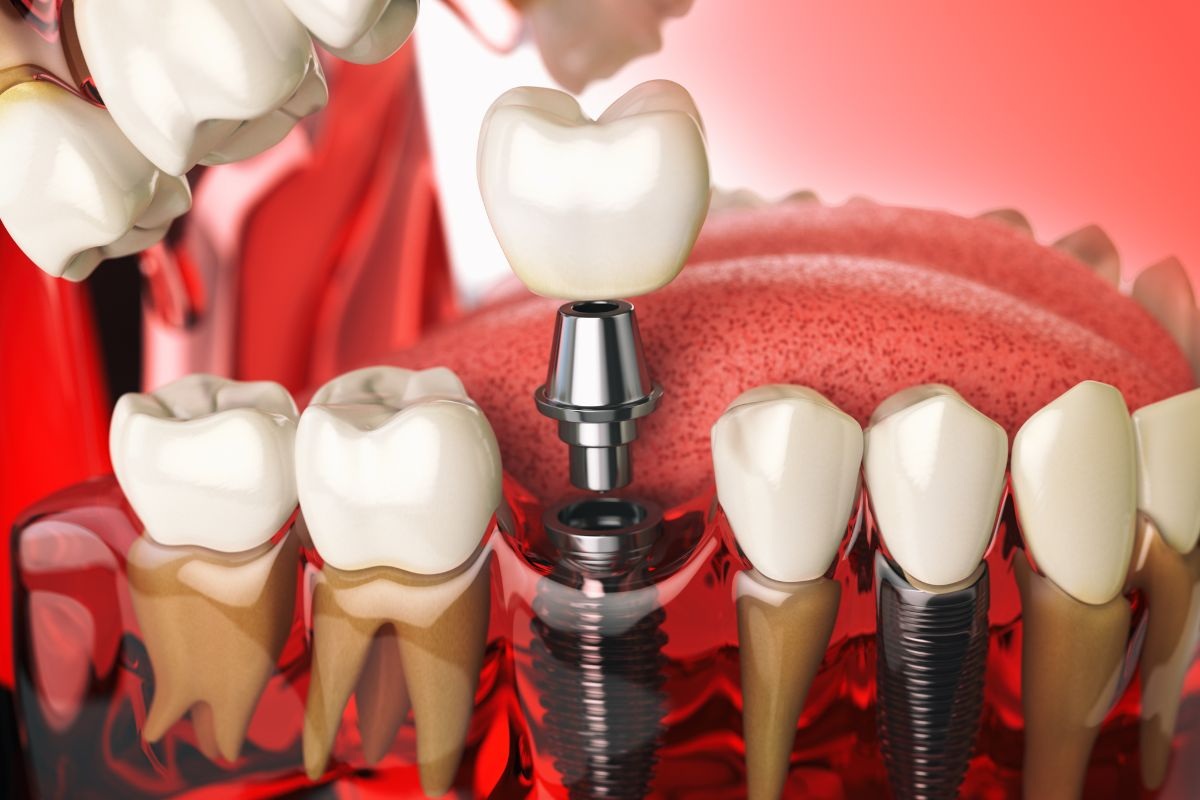
Dental implants can be an effective way to replace missing teeth, but many patients have questions about what happens after surgery. One of the most common concerns is how long recovery takes, when normal activities can resume, and when the replacement tooth will be ready.
The dental implant recovery time varies from person to person. Some initial discomfort improves within a few days, while the deeper healing process can take several months. Understanding the different stages can help you prepare for treatment and make informed decisions about your oral health.
At Eddleman Dental, patients exploring professional dental implant care in Monroe can discuss the treatment process, healing expectations, and personalized aftercare instructions with Dr. Lane Eddleman.
Quick Answer: How Long Does Dental Implant Recovery Take?
Initial recovery after dental implant surgery often takes several days to about one or two weeks. Swelling, tenderness, and minor bleeding generally improve during this period. However, the implant needs additional time to bond with the surrounding jawbone, a process called osseointegration. This deeper healing stage commonly takes several months before the final restoration can be completed.
Understanding the Dental Implant Recovery Timeline
Dental implant recovery happens in stages. The time required depends on factors such as the number of implants placed, your overall oral health, bone condition, and whether additional procedures are needed.
1. The First 24-48 Hours After Surgery
The first couple of days are generally focused on managing discomfort and protecting the surgical area.
You may experience:
- Mild bleeding or oozing.
- Swelling around the gums or face.
- Tenderness near the implant site.
- Bruising in some cases.
These symptoms can be part of the normal healing response. Follow your dentist’s instructions carefully, rest when possible, and avoid disturbing the surgical area.
2. The First Week of Recovery
During the first week, swelling and tenderness should gradually begin to improve. Some patients feel comfortable returning to their usual daily routines within a few days, depending on the procedure and how they feel.
Continue eating soft foods and avoid chewing directly over the implant site. Maintain oral hygiene as directed, taking care not to irritate the healing tissues.
If discomfort becomes worse rather than better, contact your dental office for guidance.
3. The Following Two Weeks
For many patients, much of the initial gum and soft-tissue healing occurs within the first couple of weeks.
You may notice that:
- Swelling has significantly decreased.
- Everyday activities feel more comfortable.
- Eating becomes easier as tenderness improves.
- The surgical area continues to heal.
However, feeling better does not necessarily mean the implant has fully healed beneath the gums.
4. Several Months: Bone Healing and Implant Integration
The longer healing stage involves osseointegration. This is the process in which the jawbone gradually bonds with the titanium implant.
This connection creates the stable foundation needed to support a replacement tooth. It commonly takes several months, although the exact timeline varies.
Once the implant has healed sufficiently, the next steps may involve placing an abutment and attaching a custom-made crown, bridge, or denture, depending on the treatment plan.
What Factors Affect Dental Implant Recovery Time?
Not everyone heals at the same rate. Several factors can influence how quickly you recover. Before deciding on treatment, understanding the signs you need dental implants can help you recognize when replacing a missing or damaged tooth may be worth discussing with your dentist.
Number and Location of Implants
A single implant may involve a different recovery experience than multiple implants. The location of the implant and the complexity of the procedure can also affect healing.
Bone Grafting or Tooth Extraction
Some patients need a tooth extraction or bone graft before or during implant placement. These additional procedures can influence the overall treatment and healing timeline.
Overall Health and Oral Hygiene
Your general health, gum condition, and ability to maintain good oral hygiene can affect the healing process. Certain medical conditions and medications may also influence recovery, so it is important to discuss your medical history with your dentist.
Smoking and Tobacco Use
Smoking and tobacco use can interfere with healing and increase the risk of complications. Discuss tobacco use with your dental provider before surgery and follow their recommendations about avoiding it during recovery.
5 Practical Tips for a Smoother Dental Implant Recovery
Following your postoperative instructions can help protect the surgical area while it heals.
- Choose Soft Foods
Start with foods that require little chewing, such as yogurt, mashed potatoes, scrambled eggs, oatmeal, and smoothies eaten with a spoon. Gradually return to your usual diet as your dentist recommends.
- Keep the Surgical Area Clean
Continue brushing and caring for your mouth according to your dentist’s instructions. You may be advised to avoid brushing directly over the surgical site initially.
- Avoid Strenuous Activity
Rest during the initial recovery period. Avoid heavy lifting and intense exercise until your dentist says it is appropriate to resume these activities.
- Take Medication as Directed
Use prescribed or recommended medication according to your dentist’s instructions. Do not exceed recommended doses or combine medications without checking whether it is safe.
- Attend Follow-Up Appointments
Follow-up visits allow your dentist to evaluate healing and determine whether the implant is progressing as expected. Do not skip these appointments, even if you feel comfortable.
When Should You Contact Your Dentist?
Some swelling, tenderness, and minor bleeding can occur after implant surgery. However, certain symptoms should not be ignored.
Contact your dental office if you experience:
- Pain or swelling that becomes increasingly severe.
- Persistent or heavy bleeding.
- Fever or signs of infection.
- Pus or unusual discharge around the implant.
- An implant or temporary restoration that feels loose.
Seek prompt professional evaluation rather than waiting for these symptoms to resolve on their own. Your dentist can determine whether additional care is necessary.
Is Dental Implant Recovery Painful?
Some discomfort is expected after dental implant surgery, but the experience varies. Patients may notice tenderness, swelling, or soreness around the surgical area during the first few days.
Your dental provider can recommend appropriate ways to manage discomfort. Following aftercare instructions, eating suitable foods, and allowing time for healing can make the recovery period more manageable.
If pain becomes more intense or does not improve as expected, contact your dental office.
Frequently Asked Questions
How many days should I rest after dental implant surgery?
Many patients benefit from taking at least a day or two to rest after surgery. The amount of time needed depends on the complexity of the procedure, your comfort level, and your daily activities. Follow your dentist’s recommendations before returning to work or exercise.
When can I eat normally after dental implant surgery?
You will generally need to eat soft foods during the initial healing period. You can gradually introduce firmer foods as your comfort improves and your dentist approves. Avoid chewing hard or crunchy foods directly over the surgical site until it has healed sufficiently.
How long does it take for a dental implant to fuse with the jawbone?
The process, known as osseointegration, commonly takes several months. The exact time depends on your bone condition, implant location, and individual healing response.
Can I go to work the day after dental implant surgery?
Some patients can return to work the following day, particularly after a straightforward procedure. Others may need additional rest. Your dentist can provide guidance based on the extent of surgery and the type of work you do.
What happens if my dental implant does not heal properly?
An implant that does not integrate successfully may become loose or cause persistent discomfort. Early professional evaluation is important if you notice unusual symptoms. Your dentist can assess the implant and discuss appropriate next steps.
Conclusion: Give Your Dental Implants Time to Heal
Dental implant recovery involves more than just waiting for postoperative swelling and tenderness to disappear. While initial recovery may take around one to two weeks, the implant generally needs several additional months to integrate with the jawbone before the final restoration can be completed.
Following aftercare instructions, maintaining good oral hygiene, and attending follow-up visits can help support the healing process.
If you are considering replacing missing teeth, Eddleman Dental can help you understand your options and what to expect from treatment. Contact the office in Monroe, to schedule a consultation with Dr. Lane Eddleman and discuss whether dental implants may be appropriate for your needs.