
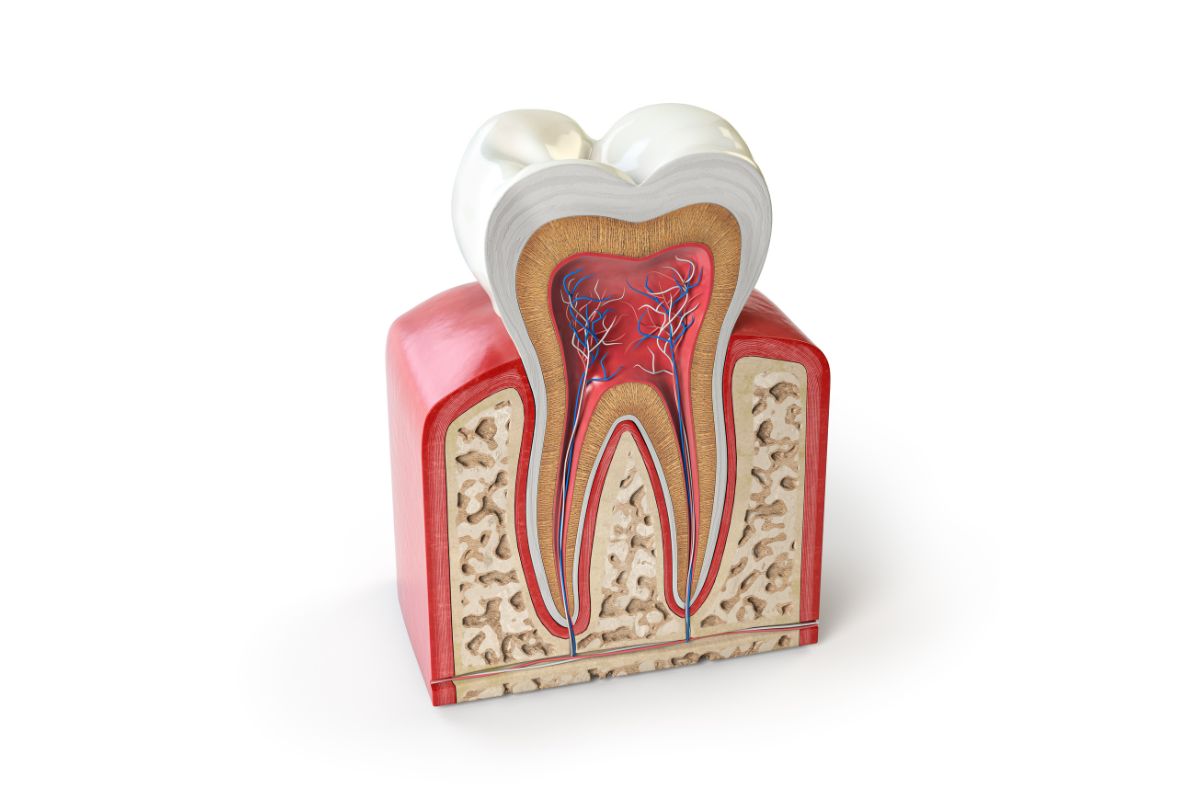
A root canal can relieve severe tooth pain and save a damaged tooth, but many patients wonder what happens after the procedure. Understanding root canal recovery can help you heal comfortably and get back to your normal routine with confidence.
If you’re in Monroe, LA, knowing what to expect after treatment and how to care for your tooth can make a significant difference in your recovery. While most patients recover quickly, following your dentist’s instructions is the key to minimizing discomfort and preventing complications.
Many patients delay treatment because they’re unsure whether their symptoms require immediate dental care. If you’re still uncertain, explore the signs you need a root canal treatment to understand when persistent tooth pain, sensitivity, or swelling may indicate an infected tooth.
Quick Answer
Root canal recovery typically takes a few days, with mild soreness gradually improving during the first week. Rest, take medications as directed, avoid chewing on the treated tooth until it’s restored, maintain excellent oral hygiene, and attend your follow-up appointments to support faster healing.
What Is Root Canal Recovery?
Root canal recovery is the healing period after infected or damaged pulp has been removed from inside a tooth. During treatment, the canals are cleaned, disinfected, and sealed to stop infection and preserve the natural tooth.
Although the procedure itself is designed to eliminate pain, it’s normal to experience mild tenderness for several days as the surrounding tissues heal.
Most people notice steady improvement within 48 to 72 hours.
What Should You Expect After a Root Canal?
Every patient heals differently, but most recovery experiences include:
- Mild soreness around the treated tooth
- Sensitivity when biting
- Slight inflammation of nearby tissues
- Temporary numbness immediately after treatment
- Gradual improvement over several days
These symptoms are generally manageable with recommended pain relievers and proper aftercare.
However, severe swelling, persistent pain that worsens, or signs of infection should be evaluated by your dentist promptly.
Tips for Faster Root Canal Recovery
1. Take Medications as Directed
Your dentist may recommend over-the-counter pain relievers or prescribe medication when necessary.
Avoid skipping doses during the first day if discomfort is expected.
2. Wait Until Numbness Wears Off Before Eating
Eating while your mouth is still numb increases the risk of accidentally biting your cheek, tongue, or lips.
Choose soft foods once sensation returns.
Good choices include:
- Yogurt
- Mashed potatoes
- Applesauce
- Scrambled eggs
- Soup
- Smoothies
3. Avoid Chewing on the Treated Tooth
Until your permanent restoration or crown is placed, the treated tooth may be more vulnerable to damage.
Try chewing on the opposite side of your mouth whenever possible.
4. Keep Your Mouth Clean
Excellent oral hygiene supports healing.
Continue to:
- Brush twice daily
- Floss carefully
- Rinse gently if recommended by your dentist
Keeping bacteria under control reduces the risk of further infection.
5. Get Plenty of Rest
Your body heals best when well-rested.
If possible, avoid strenuous exercise during the first 24 hours following treatment.
Foods to Eat During Recovery
Soft, nutritious foods are your best choice during the first few days.
Recommended foods include:
- Oatmeal
- Cottage cheese
- Rice
- Pasta
- Bananas
- Steamed vegetables
- Soft fish
Avoid:
- Hard candy
- Popcorn
- Nuts
- Ice
- Sticky caramel
- Crunchy chips
These foods may damage the temporary filling or irritate the treated tooth.
How Long Does Root Canal Recovery Take?
Most patients feel much better within three to seven days.
Complete healing of surrounding tissues may continue over the following weeks.
Several factors influence recovery, including:
- Severity of the original infection
- Overall health
- Whether a crown is needed
- Following aftercare instructions
- Maintaining good oral hygiene
Attending your follow-up appointment is just as important as the procedure itself.
Possible Risks During Recovery
Root canal treatment has an excellent success rate, but complications can occasionally occur.
Contact your dentist if you experience:
- Severe pain lasting longer than a few days
- Increasing swelling
- Fever
- Pus or drainage
- Difficulty swallowing
- A cracked temporary filling
Prompt treatment helps prevent more serious dental problems.
Does Root Canal Recovery Cost Anything?
The recovery process itself usually doesn’t involve additional costs beyond your treatment unless complications arise.
However, many patients will need a permanent dental crown after the root canal to strengthen and protect the tooth. Investing in the final restoration helps improve the long-term success of treatment and reduces the risk of future fractures.
Why Choose Eddleman Dental in Monroe?
When you’re recovering from dental treatment, having an experienced dental team nearby provides valuable peace of mind.
At Eddleman Dental, patients receive compassionate care focused on comfort before, during, and after treatment. The team uses modern diagnostic technology and advanced treatment techniques to provide efficient, precise care while helping preserve natural teeth whenever possible.
Patients throughout Monroe appreciate personalized treatment plans, clear communication, and ongoing support during recovery. Whether you’re seeking preventive care or root canal therapy in Monroe, you’ll receive individualized attention designed to protect your long-term oral health.
See What Local Patients Are Saying
Choosing a trusted local dentist is easier when you can hear directly from other patients. Visit our Google Business Profile to explore patient reviews, recent office updates, and helpful dental tips from the Eddleman Dental team serving Monroe and the surrounding communities.
Frequently Asked Questions
Is pain normal after a root canal?
Yes. Mild soreness or sensitivity for a few days is completely normal. The discomfort usually comes from inflammation around the treated tooth rather than the procedure itself and typically improves with recommended pain medication and proper aftercare.
How long should I wait before eating?
Wait until the numbness has completely worn off before eating. Once sensation returns, choose soft foods and avoid chewing on the treated side until your dentist says it’s safe.
Can I return to work after a root canal?
Many patients return to work or school the same day or the following day. If your job involves heavy physical activity, your dentist may recommend taking the remainder of the day to rest.
Will I need a crown after my root canal?
Many back teeth require a dental crown because they experience greater chewing forces. A crown helps strengthen the treated tooth and improves its long-term durability. Your dentist will recommend the best restoration for your specific situation.
When should I call my dentist during recovery?
Contact your dentist if you experience severe pain that worsens, significant swelling, fever, drainage, or if your temporary filling falls out. These symptoms may indicate that additional treatment is needed.
Conclusion
A successful root canal recovery depends on good aftercare, healthy habits, and regular follow-up visits. By eating soft foods, maintaining excellent oral hygiene, taking medications as directed, and protecting your treated tooth, most patients recover quickly and comfortably.
If you’re experiencing tooth pain or need expert root canal therapy in Monroe, the caring team at Eddleman Dental is here to help. Schedule your appointment today to protect your smile and restore your oral health.
Call us today at +1 3189008717 to schedule your visit.