
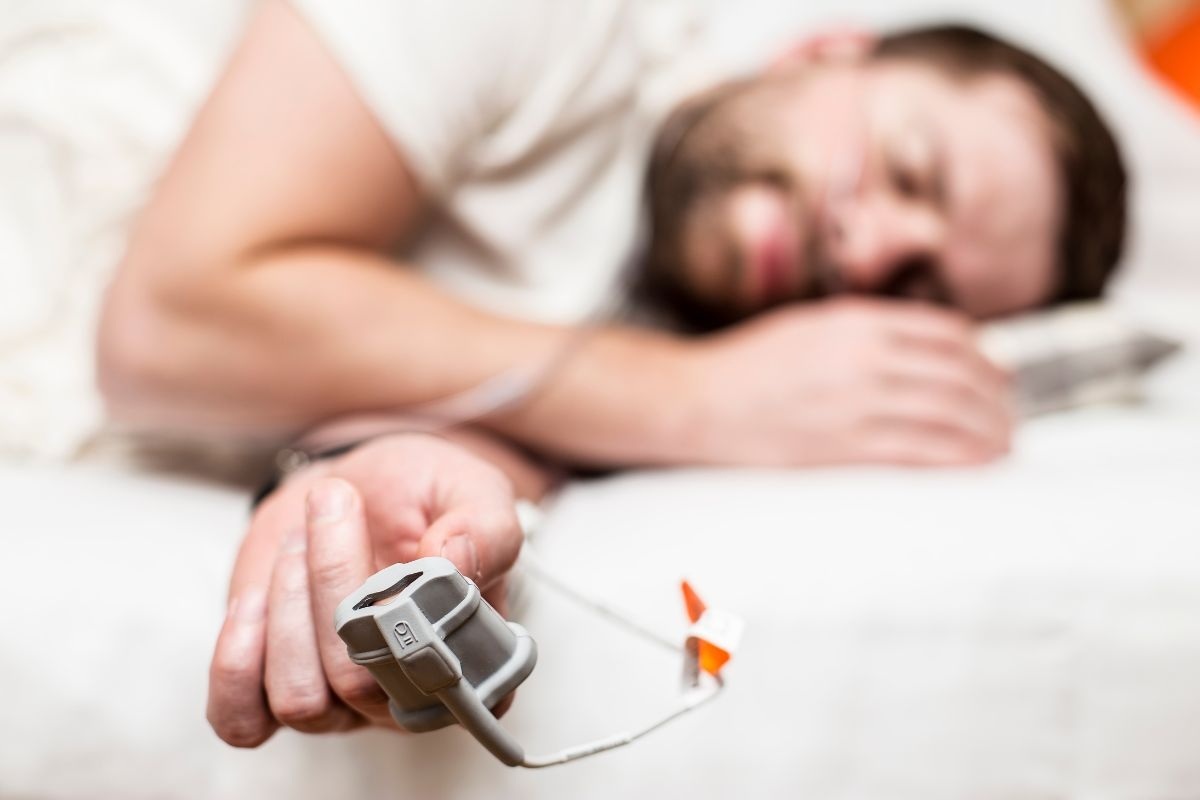
Sleep should leave you feeling refreshed, but for many people, it does the opposite. If you wake up tired every morning, struggle to stay awake during the day, or your partner complains about loud snoring, these could be early signs of obstructive sleep apnea. This common sleep disorder often goes undiagnosed, yet it can affect your overall health, energy levels, and quality of life.
At Eddleman Dental in Monroe, LA, we help patients recognize symptoms that may point to sleep-disordered breathing. If you’re looking for obstructive sleep apnea treatment in Monroe, understanding the warning signs is the first step toward getting the care you need and improving your sleep.
Quick Answer
The most common signs of obstructive sleep apnea include loud snoring, pauses in breathing during sleep, daytime fatigue, morning headaches, dry mouth, difficulty concentrating, and restless sleep. Early diagnosis and treatment can improve sleep quality and reduce the risk of serious health complications.
What Is Obstructive Sleep Apnea?
Obstructive sleep apnea (OSA) occurs when the muscles in the back of the throat relax too much during sleep, temporarily blocking the airway. These repeated interruptions reduce oxygen levels and briefly wake the brain so breathing can resume.
Many people don’t realize these episodes are happening because they occur while they’re asleep. Without treatment, OSA can affect both physical and mental health over time.
Obstructive sleep apnea affects more than your breathing during sleep; it can also have a significant impact on your oral health. Understanding the link between sleep apnea and dental health can help you recognize why dentists are often among the first healthcare providers to notice signs of this condition during routine dental exams.
10 Warning Signs of Obstructive Sleep Apnea
1. Loud, Frequent Snoring
Not everyone who snores has sleep apnea, but loud and persistent snoring is one of the most recognized symptoms. If your snoring is accompanied by gasping or choking sounds, it’s worth discussing with a healthcare professional.
2. Pauses in Breathing During Sleep
Family members or partners often notice breathing stops before the individual does. These pauses may last several seconds before breathing starts again with a gasp or snort.
3. Excessive Daytime Sleepiness
Feeling exhausted even after what seemed like a full night’s sleep is a common symptom. Interrupted sleep prevents your body from reaching the deep, restorative stages of sleep.
You may notice:
- Falling asleep while watching TV
- Trouble staying awake during meetings
- Feeling sleepy while driving
- Low energy throughout the day
4. Morning Headaches
Frequent morning headaches can result from lower oxygen levels during sleep. These headaches often improve after you’ve been awake for a while but may return regularly if the underlying issue isn’t addressed.
5. Dry Mouth or Sore Throat
Breathing through your mouth overnight often causes dryness and throat irritation. Many people with obstructive sleep apnea wake up needing water because their mouth feels unusually dry.
6. Difficulty Concentrating
Poor-quality sleep affects brain function. If you’re forgetting things more often, struggling to focus, or feeling mentally foggy, interrupted sleep could be contributing to these symptoms.
7. Mood Changes
Sleep deprivation doesn’t only affect energy levels—it can also impact emotional well-being.
Common changes include:
- Irritability
- Anxiety
- Depression
- Reduced patience
- Increased stress
8. Restless Sleep
Many people with OSA toss and turn throughout the night without realizing why. Frequent awakenings prevent the body from getting consistent, restorative sleep.
9. High Blood Pressure
Untreated obstructive sleep apnea has been linked with cardiovascular concerns, including high blood pressure. Repeated drops in oxygen levels place additional strain on the heart and blood vessels.
10. Waking Up Gasping or Choking
Suddenly waking up feeling like you can’t breathe should never be ignored. This symptom often indicates that your airway became blocked during sleep and your body reacted by waking you up.
Why Early Diagnosis Matters
Recognizing the signs early can help prevent long-term complications. Left untreated, obstructive sleep apnea may increase the risk of:
- Heart disease
- Stroke
- Type 2 diabetes
- High blood pressure
- Poor work performance
- Increased accident risk due to fatigue
Early treatment can improve sleep quality, daytime alertness, and overall health.
How Is Obstructive Sleep Apnea Diagnosed?
Diagnosis usually begins with a discussion of your symptoms and medical history. A healthcare provider may recommend a sleep study to monitor breathing, oxygen levels, and sleep patterns overnight.
Once diagnosed, treatment recommendations depend on the severity of your condition and your individual needs.
Treatment Options
Several effective treatments are available for obstructive sleep apnea.
Depending on your situation, your provider may recommend:
- Custom oral appliance therapy
- CPAP (Continuous Positive Airway Pressure)
- Lifestyle changes
- Weight management
- Sleeping position adjustments
- Referral for additional medical evaluation when appropriate
Many patients benefit from custom oral appliances that gently reposition the jaw to help keep the airway open during sleep.
What Does Treatment Cost?
Treatment costs vary depending on the type of therapy recommended.
Factors that may influence cost include:
- Diagnostic testing
- Type of oral appliance
- Insurance coverage
- Follow-up visits
- Long-term maintenance
Your dental team can discuss treatment options and provide an estimate based on your individual needs.
Living Well After Treatment
Many patients notice improvements within weeks of beginning treatment.
Possible benefits include:
- Better sleep quality
- More daytime energy
- Reduced snoring
- Improved concentration
- Better mood
- Healthier long-term sleep habits
Following your provider’s instructions and attending regular follow-up appointments helps ensure lasting results.
Conclusion
Ignoring the signs of obstructive sleep apnea can affect far more than your nightly rest. Persistent snoring, daytime fatigue, morning headaches, and interrupted breathing deserve professional attention. Early diagnosis and appropriate treatment may improve your sleep, overall health, and daily quality of life.
If you or someone you love is experiencing these symptoms, schedule an appointment with Eddleman Dental in Monroe, LA. Our experienced team can evaluate your concerns, discuss treatment options, and help you take the next step toward healthier sleep.
Looking for the latest office news and real patient experiences? See patient reviews on Google to discover why Eddleman Dental is a trusted choice for families in Monroe.
Frequently Asked Questions
Can obstructive sleep apnea develop later in life?
Yes. Although some people have risk factors earlier in life, obstructive sleep apnea can develop with age due to changes in muscle tone, weight, anatomy, or other health conditions. New symptoms should always be evaluated.
Is loud snoring always a sign of sleep apnea?
No. Many people snore without having obstructive sleep apnea. However, loud snoring combined with breathing pauses, choking, or excessive daytime fatigue should be evaluated by a healthcare professional.
Can a dentist help with obstructive sleep apnea?
Yes. Dentists trained in dental sleep medicine can provide custom oral appliance therapy for many patients with mild to moderate obstructive sleep apnea or those who cannot tolerate CPAP therapy.
What happens if sleep apnea is left untreated?
Untreated obstructive sleep apnea may increase the risk of high blood pressure, heart disease, stroke, diabetes, daytime fatigue, and reduced quality of life. Early treatment can help reduce these risks.
How do I know if I need a sleep study?
If you experience several common symptoms, such as loud snoring, frequent awakenings, morning headaches, or excessive daytime sleepiness, your healthcare provider may recommend a sleep study to confirm a diagnosis.