 At Eddleman Dental Family & Cosmetic Dentistry in Monroe, LA, we understand that your oral health is deeply connected to your overall well-being. One condition that may be affecting both your sleep and your dental health is sleep apnea and dental health. Sleep apnea is a common but often undiagnosed disorder that can have serious consequences on both your sleep quality and oral health. In this blog, we will explore the connection between the two, the symptoms to look out for and how dental professionals can help manage this condition.
What is Sleep Apnea?
Sleep apnea and dental health are closely linked. Sleep apnea is a condition where breathing repeatedly stops and starts while you’re asleep. The two most common types are:
- Obstructive Sleep Apnea (OSA): This is the most common form of sleep apnea. It occurs when the muscles at the back of the throat relax excessively, causing a temporary obstruction of the airway.
- Central Sleep Apnea: This occurs when the brain fails to send the correct signals to the muscles that control breathing, though it is less common than OSA.
Sleep apnea can result in poor quality sleep, which can lead to daytime fatigue, headaches and a range of other health issues. If left untreated, the two can be compromised, leading to more serious consequences like heart disease, stroke, diabetes and high blood pressure.
How Sleep Apnea Affects Your Dental Health
The connection between sleep apnea and dental health is more significant than many people realize. Here are several ways that they intersect:
Dry Mouth and Throat
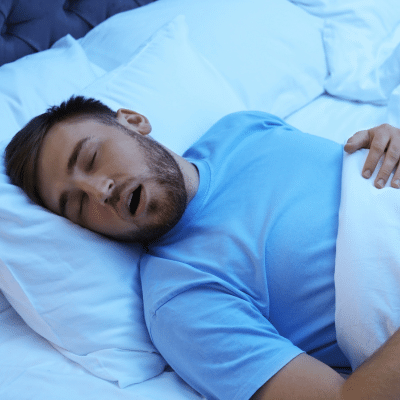
One of the most common dental issues associated with sleep apnea and dental health is dry mouth. When people with sleep apnea experience blocked airways during sleep, they often breathe through their mouths to compensate. This constant mouth breathing can cause the tissues in the mouth and throat to dry out, which can lead to discomfort and increase the risk of cavities and gum disease.
Saliva plays a crucial role in maintaining oral health by neutralizing acids in the mouth and helping to fight bacteria. A dry mouth reduces saliva production, making it easier for bacteria to thrive and increasing the likelihood of tooth decay, gum infections and bad breath. The two go hand in hand, as dry mouth is a direct result of this disorder.
Teeth Grinding (Bruxism)
Many individuals with sleep apnea and dental health issues also suffer from bruxism, which is the involuntary grinding or clenching of teeth during sleep. This can occur due to the stress and strain placed on the jaw muscles during the interruptions in breathing. Over time, teeth grinding can wear down enamel, causing tooth sensitivity, cracks and even tooth loss in severe cases. Chronic teeth grinding may cause discomfort in the jaw, frequent headaches and problems with the temporomandibular joint (TMJ), which connects your jaw to your skull.
Gum Disease
The decreased saliva flow associated with sleep apnea and dental health creates an environment in which bacteria thrive, increasing the risk of gum disease (periodontitis). Gum disease can lead to gum inflammation, infection and, in severe cases, tooth loss. The lack of proper sleep can also weaken your immune system, making it harder for your body to fight off infections, including those affecting your gums.
Dental Implants and Sleep Apnea
For individuals with sleep apnea and dental health concerns who are considering dental implants, it’s essential to address the condition beforehand. Poor sleep quality and untreated sleep apnea can affect the healing process after implant surgery. The body’s ability to heal and recover is compromised with insufficient sleep, making it more challenging for implants to properly integrate with the jawbone.
How Dentists Can Help with Sleep Apnea
At Eddleman Dental Family & Cosmetic Dentistry, we believe that managing sleep apnea and dental health is an important part of maintaining both your overall and oral health. While a dentist cannot diagnose sleep apnea, they can play a crucial role in detecting symptoms and offering treatments that help alleviate its effects.
Identifying Symptoms During Routine Check-ups
During your regular dental visits, your dentist may notice signs of sleep apnea and dental health issues, such as worn-down teeth, jaw tenderness, or gum disease, which could suggest a breathing disorder. If these symptoms are present, your dentist may refer you to a sleep specialist for a formal diagnosis. Early detection is key to managing these issues and preventing further complications.
Oral Appliances for Sleep Apnea
For patients with mild to moderate obstructive sleep apnea, your dentist may recommend a dental appliance known as a mandibular advancement device (MAD). These devices help reposition the lower jaw and tongue, keeping the airway open during sleep. By wearing a custom-made oral appliance, many patients can reduce snoring and improve airflow, leading to better sleep quality. This is an effective treatment option for managing sleep apnea and dental health concerns.
Oral appliances can be a comfortable and effective alternative to Continuous Positive Airway Pressure (CPAP) machines, especially for individuals who have difficulty tolerating CPAP therapy.
Collaborating with Sleep Specialists
For patients with more severe cases of sleep apnea and dental health concerns, your dentist may work closely with a sleep specialist or a medical doctor to create a comprehensive treatment plan. In some cases, your dentist may collaborate with other healthcare providers to offer a combination of therapies, including CPAP, oral appliances and lifestyle changes such as weight management and sleep position adjustments.
Tips for Managing Sleep Apnea and Protecting Your Teeth
If you have been diagnosed with sleep apnea and dental health concerns, here are a few additional tips for protecting your dental health:
- Practice Good Oral Hygiene: Brush and floss regularly, especially before bed, to reduce the risk of cavities and gum disease.
- Stay Hydrated: Stay well-hydrated during the day to help prevent dryness in your mouth. You may also want to use a humidifier at night to keep your throat and mouth moist.
- Use a Night Guard: If you grind your teeth, your dentist can custom-fit you with a night guard to protect your teeth from further damage.
- Maintain a Healthy Sleep Routine: Prioritize getting enough rest each night. Aim for 7-9 hours of quality sleep to support overall health and help manage these symptoms.
Request Your Appointment in Monroe, LA Today
Sleep apnea and dental health are closely interconnected, and untreated sleep apnea can have serious consequences on both your sleep quality and oral health. At Eddleman Dental Family & Cosmetic Dentistry in Monroe, LA, we understand the complex relationship between the two and are here to help you manage both. If you suspect that you might have sleep apnea, it’s important to speak with your dentist and explore treatment options. With proper care and management, you can improve both your sleep quality and oral health, leading to a better quality of life.
If you’re experiencing symptoms of sleep apnea and dental health issues or have concerns about your oral health, contact Eddleman Dental Family & Cosmetic Dentistry to request your appointment today!