
If you’re considering teeth whitening, one of the first questions you may have is simple: how long does teeth whitening last?
The answer varies from person to person. Whitening isn’t a permanent treatment, and the brightness you achieve can gradually fade as your teeth are exposed to foods, drinks, tobacco and other sources of staining. At Eddleman Dental, the practice notes that whitening results can last up to a year, with proper care potentially helping them last longer.
The good news is that maintaining a brighter smile doesn’t necessarily mean starting over every time your teeth begin to lose some of their brightness. Your daily habits, oral hygiene and the type of whitening treatment you receive can all affect how long the results remain noticeable.
What Happens During Whitening?
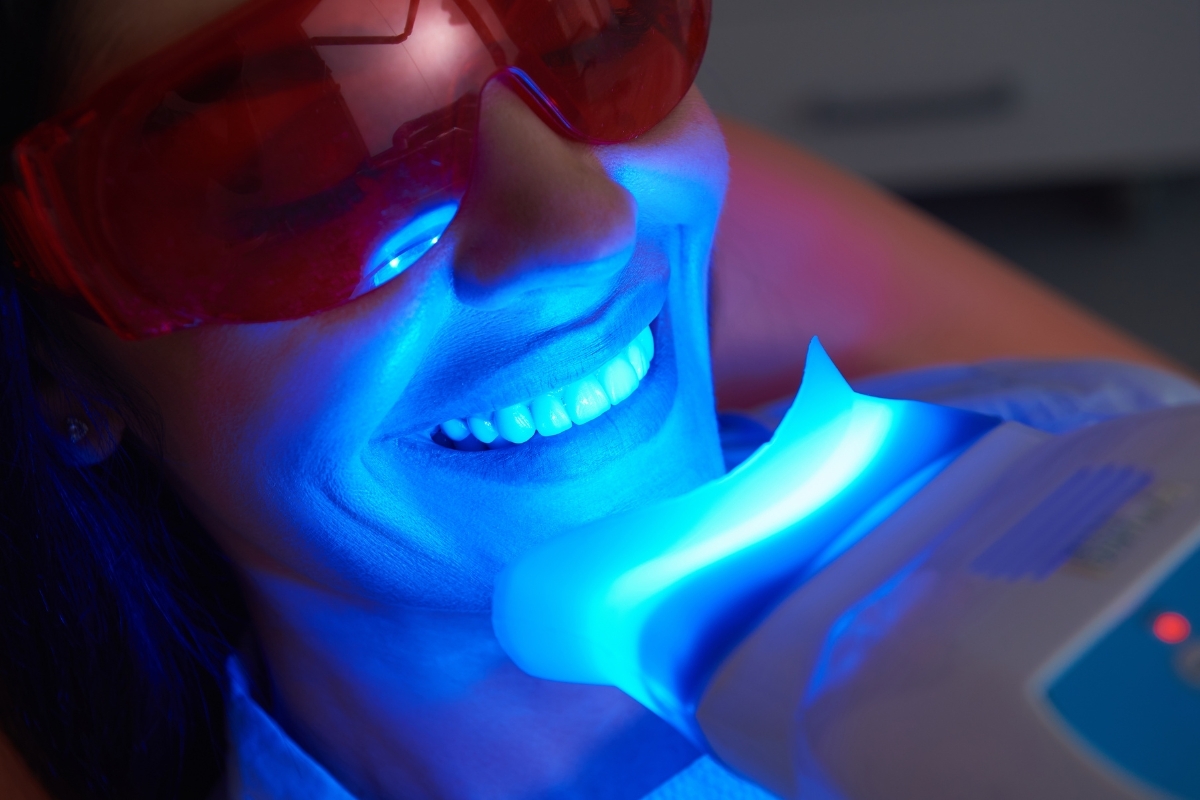
Professional whitening uses safe bleaching agents to lift stains from the enamel. These stains often come from coffee, tea, wine, tobacco, or simply aging. Because the treatment is done under expert supervision, results are more noticeable and safer compared to store-bought kits. Visiting a dentist in Monroe for whitening ensures that the process is tailored to your teeth and oral health needs.
How Long Do Results Stay?
Teeth whitening results can last months to several years, depending on the individual and the treatment used. There isn’t one exact expiration date for a whiter smile.
For some people, discoloration becomes noticeable again relatively quickly. Others may enjoy their results for much longer before deciding they want another whitening treatment.
Several factors can affect how long your teeth stay brighter, including:
- Coffee, tea, red wine and other staining beverages
- Tobacco use
- Your normal diet
- Oral hygiene habits
- The type of whitening treatment you receive
- The original cause of the tooth discoloration
- Whether you follow recommended maintenance instructions
Rather than focusing on a specific number of months, it’s more useful to think of whitening as a treatment that gradually fades and may eventually need maintenance.
Why Does Teeth Whitening Fade?
Whitening changes the appearance of discoloration in natural teeth, but it doesn’t prevent new stains from developing.
Coffee, tea, wine and tobacco are common sources of tooth discoloration. Age can also contribute to changes in tooth color. Over time, repeated exposure to staining substances can make teeth appear darker again.
That doesn’t mean your whitening treatment has failed. It’s a normal part of maintaining a brighter smile.
Think of it much like maintaining anything else: the initial treatment creates a change, while your everyday habits influence how long that change remains noticeable.
What Can Make Whitening Results Fade Faster?
Coffee, Tea and Other Dark Beverages
If you regularly drink coffee or tea, you may notice your teeth becoming darker over time. You don’t necessarily have to give up your favorite drinks, but being mindful of your habits can help reduce repeated exposure to staining substances.
Rinsing your mouth with water after drinking coffee or another staining beverage is a simple habit that can help clear away residue.
Tobacco Use
Tobacco can contribute significantly to tooth discoloration. If you smoke or use other tobacco products, your whitening results may become less noticeable sooner.
Oral Hygiene
Regular brushing and flossing help remove plaque and surface debris that can contribute to a dull-looking smile.
Good oral hygiene won’t permanently prevent discoloration, but it is an important part of maintaining your teeth and keeping your smile looking clean.
The Cause of the Discoloration
Not every type of tooth discoloration responds to whitening in the same way.
Some discoloration is caused by stains on or within the tooth, while other changes in tooth color can have different underlying causes. A dental professional can evaluate your teeth and help determine whether whitening is likely to produce the result you’re looking for.
How Can You Make Teeth Whitening Last Longer?
You can’t stop whitening results from eventually fading, but you can take practical steps to help maintain your smile.
Keep Up With Your Normal Oral Hygiene
Brush twice a day and clean between your teeth regularly. Maintaining good oral hygiene helps keep plaque and surface buildup under control.
Rinse With Water After Staining Foods and Drinks
If you’re having coffee, tea or another beverage that can contribute to staining, drinking or rinsing with water afterward can help reduce the amount of residue left on your teeth.
Follow Your Whitening Instructions
If you’re using professional whitening trays or another whitening system, follow the instructions provided for that specific treatment.
Using more whitening gel or whitening more frequently than recommended isn’t a shortcut to better results. Overuse can increase the risk of tooth sensitivity and gum irritation.
Keep Up With Regular Dental Care
Regular dental visits allow your dentist to monitor your oral health and address issues that may affect the appearance of your smile.
A professional cleaning can also remove plaque and surface deposits that make teeth look dull.
Ask Before Starting Another Whitening Treatment
If your teeth have already been whitened, don’t automatically assume you need another treatment as soon as you notice some discoloration.
A dentist can help determine whether additional whitening is appropriate and whether an underlying dental issue should be addressed first.
Professional Whitening vs. At-Home Whitening
There are several ways to whiten teeth, including in-office treatments and dentist-provided take-home systems.
The main difference isn’t simply how long one option “lasts.” Treatment methods can differ in how quickly results appear, how the whitening agent is delivered and how the treatment is maintained.
At Eddleman Dental, the practice currently offers Zoom! Whitening as an in-office option as well as KöR Home Whitening System take-home trays.
Zoom! Whitening is performed in the office and is designed to provide a noticeably brighter smile during the appointment. Eddleman Dental states that the treatment takes about an hour and a half.
The KöR Home system uses custom-fit trays and professional-strength whitening gel. According to Eddleman Dental, patients typically begin seeing results within about one to two weeks, depending on the specific system used.
The right option depends on your goals, your teeth and your tolerance for the treatment process.
Will Teeth Whitening Work on Crowns or Fillings?
This is an important question if you have dental restorations.
Teeth whitening affects natural tooth structure, not tooth-colored restorations such as crowns or fillings. As a result, whitening natural teeth can sometimes make the difference between natural teeth and existing restorations more noticeable.
If you have crowns, fillings or other restorations that are visible when you smile, talk with your dentist before whitening. This allows you to discuss how the treatment could affect the overall appearance of your smile.
Can Teeth Whitening Cause Sensitivity?
Yes. Temporary tooth sensitivity is one of the most common side effects associated with tooth whitening.
Some people may notice sensitivity to cold or other sensations during or after treatment. Gum irritation can also occur, particularly if whitening material comes into contact with the gums.
Sensitivity doesn’t necessarily mean that something has gone wrong, but significant, persistent or unusual discomfort should not simply be ignored.
If you already have sensitive teeth, let your dentist know before whitening. Your dentist can consider your oral health and discuss whether a particular whitening approach is appropriate for you.
Is Professional Teeth Whitening Safe?
Teeth whitening is generally considered a safe cosmetic dental treatment when appropriate products are used correctly. However, safe doesn’t mean that more whitening is always better.
The American Dental Association identifies temporary tooth sensitivity and gum irritation as common adverse effects of vital tooth whitening. Following treatment directions and avoiding excessive use can help reduce unnecessary problems.
If you’re unsure whether whitening is appropriate for your teeth, a dental evaluation can help identify issues such as existing sensitivity, restorations or other causes of discoloration before you begin.
Common Teeth Whitening Mistakes to Avoid
A brighter smile doesn’t require extreme measures. In fact, some common approaches can create more problems than benefits.
Avoid:
- Whitening more frequently than recommended
- Leaving whitening products on longer than instructed
- Ignoring significant tooth sensitivity
- Assuming whitening will change the color of crowns or fillings
- Using household ingredients as DIY whitening treatments
- Starting whitening without addressing obvious dental problems
Acidic or abrasive DIY whitening methods can be particularly concerning. If you’re interested in whitening, it’s safer to choose an established whitening product and use it according to professional or manufacturer instructions.
How Often Can You Whiten Your Teeth?
There isn’t one schedule that applies to everyone.
The appropriate timing for another whitening treatment depends on the product, concentration, treatment method, your oral health and how your teeth respond.
Instead of automatically whitening every six or twelve months, ask your dental professional when additional treatment makes sense for you.
If you are using a take-home whitening system, keep the trays and follow the maintenance instructions provided for that system rather than creating your own schedule.
When Should You Talk to a Dentist Before Whitening?
Whitening may not be the right first step if you have unexplained tooth discoloration, significant sensitivity or other dental concerns.
Consider talking with a dentist before whitening if:
- One tooth has suddenly become darker than the others.
- You have persistent tooth sensitivity.
- You have tooth pain.
- You have visible dental restorations and want to whiten your smile.
- You aren’t sure what is causing the discoloration.
- You’ve had problems with whitening products in the past.
A dental evaluation can help determine whether cosmetic whitening is appropriate and what approach may best fit your situation.
Teeth Whitening in Monroe
If you’re considering professional teeth whitening in Monroe, it’s helpful to look beyond the question of how white your teeth can become. The treatment should also take into account your existing teeth, restorations, sensitivity and expectations.
Eddleman Dental offers both in-office Zoom! Whitening and take-home KöR whitening options. Patients can discuss the available approaches with the dental team and determine which option fits their needs.
You can learn more about the practice’s teeth whitening in Monroe options before scheduling a consultation.
Frequently Asked Questions
How long does teeth whitening last?
Whitening isn’t permanent. Results can last for months or longer, depending on your habits, oral hygiene, treatment method and other individual factors. Eddleman Dental states that its whitening results can last up to a year, with proper care potentially helping maintain them longer.
Does professional teeth whitening last longer than at-home whitening?
Not necessarily in every case. Different professional and at-home systems use different treatment schedules and concentrations, and maintenance also affects how long results remain noticeable. Professional treatment can provide faster whitening, while dentist-provided take-home systems allow whitening to occur gradually at home.
Can I drink coffee after teeth whitening?
You can discuss your normal diet with your dentist, but coffee can contribute to tooth staining over time. Rinsing with water afterward and maintaining good oral hygiene can help reduce staining.
Can I whiten crowns or fillings?
No. Whitening products change the color of natural teeth but do not whiten tooth-colored restorations in the same way. If you have visible crowns or fillings, ask your dentist how whitening could affect the overall appearance of your smile.
How can I keep my teeth white after whitening?
Maintain good oral hygiene, limit repeated exposure to staining substances when practical, rinse with water after staining beverages and follow the maintenance instructions for your whitening system.
What if my teeth become sensitive after whitening?
Mild, temporary sensitivity can occur after whitening. Follow the instructions for your particular treatment and contact your dentist if sensitivity is severe, persistent or concerning.
The Bottom Line
So, how long does teeth whitening last? There isn’t a single answer that applies to every patient. Whitening results gradually fade, and the amount of time they remain noticeable depends on your treatment, oral health and everyday habits.
Taking care of your teeth, being mindful of staining foods and drinks, and following your whitening maintenance instructions can help you enjoy your results for longer.
If you’re considering professional whitening in Monroe, LA, Eddleman Dental offers in-office and take-home whitening options that you can discuss with the dental team to determine which approach is appropriate for your smile.