
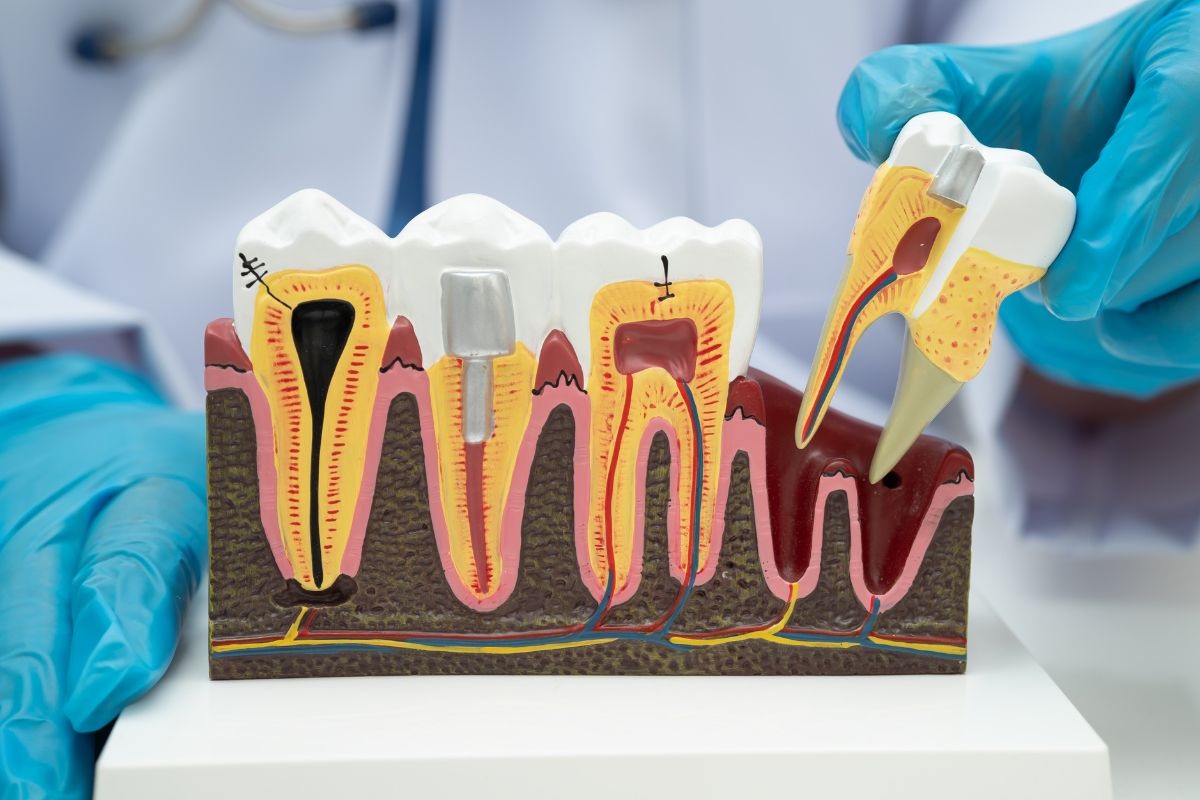
A tooth infection can start with something that seems relatively minor, such as a lingering toothache or sensitivity when drinking something cold. However, as bacteria spread inside a tooth or into the surrounding tissues, the symptoms can become more noticeable and uncomfortable. Recognizing the signs of an infected tooth early can help you understand when it’s time to seek professional dental attention.
Tooth infections can develop when bacteria enter the inner portion of a tooth, often through untreated decay, a crack, or an injury. Depending on the extent of the infection, treatment may involve procedures such as professional root canal care in Monroe to address infection inside the tooth and help preserve its natural structure.
For individuals experiencing persistent tooth pain or unusual swelling, understanding what to look for is an important first step. Eddleman Dental in Monroe, Louisiana, encourages patients to seek a dental evaluation rather than wait for symptoms to become more severe.
Quick Answer: What Are the Signs of an Infected Tooth?
Common signs of an infected tooth include persistent or throbbing tooth pain, sensitivity to hot and cold temperatures, swollen or tender gums, facial swelling, a bad taste in the mouth, pus near the affected tooth, and fever. Some infections may cause noticeable discoloration or discomfort when biting. Not every infected tooth produces all these symptoms, so a dental examination is important.
Common Signs of an Infected Tooth
A tooth infection does not always look the same. Some people experience severe pain, while others notice swelling, an unusual taste, or changes in the appearance of a tooth. Here are seven symptoms worth paying attention to.
1. Persistent or Throbbing Tooth Pain
One of the most recognizable signs of an infected tooth is pain that continues rather than disappearing after a short period. The discomfort may feel dull, sharp, or throbbing and can become more noticeable when lying down or chewing.
Pain may also spread toward the jaw, ear, or surrounding area. Although tooth pain can have several causes, persistent discomfort deserves a professional evaluation.
2. Swollen or Tender Gums
An infection near the tooth root can affect the surrounding gum tissue. You may notice that the gums around one tooth look red, puffy, or swollen.
The area may feel tender when brushing or eating. In some cases, swelling develops into a small, raised bump that resembles a pimple.
3. Pus or a Pimple-Like Bump on the Gums
A small bump near an affected tooth can sometimes indicate a dental abscess, which is a pocket of pus caused by a bacterial infection.
You might notice:
- A small white or yellow bump on the gums.
- Fluid or pus draining from the affected area.
- An unpleasant taste when the bump drains.
- Tenderness around the tooth.
Even if the bump drains and the pain temporarily decreases, the infection may still be present. Do not squeeze or attempt to drain it yourself. Contact a dentist for an evaluation.
4. Sensitivity to Hot and Cold
Do you experience sharp discomfort when drinking hot coffee or eating ice cream? Temperature sensitivity can sometimes indicate irritation or damage to the tooth’s inner pulp.
Pay particular attention if the discomfort continues after the hot or cold item is removed. Lingering sensitivity, especially when combined with spontaneous pain, may indicate a deeper dental problem.
However, sensitivity alone does not confirm an infection. Tooth decay, worn enamel, and exposed roots can also cause similar symptoms.
5. Tooth Discoloration
An infected or damaged tooth may gradually appear darker than the surrounding teeth. You might notice a gray, brown, or yellowish appearance.
This discoloration can occur when the pulp inside the tooth becomes damaged or loses its vitality. However, staining and other dental conditions can also change tooth color, so an examination is necessary to determine the cause.
6. Pain When Biting or Chewing
If biting into food causes discomfort in one particular tooth, it may indicate inflammation or infection around the tooth root.
You may notice:
- Pain when chewing firm foods.
- Discomfort when applying pressure to the tooth.
- A feeling that the affected tooth is more sensitive than neighboring teeth.
Cracks, damaged restorations, and other dental problems can also cause biting pain. A dentist can identify the underlying issue.
7. Facial Swelling or Fever
Facial swelling, especially around the cheek or jaw, can indicate that a dental infection is becoming more serious. Some people may also experience fever, swollen lymph nodes, or a general feeling of being unwell.
Seek urgent medical attention
Facial or neck swelling accompanied by difficulty breathing or swallowing requires immediate emergency medical care. Do not wait for a routine dental appointment.
What Causes a Tooth to Become Infected?
A tooth infection typically develops when bacteria reach the inner pulp, the soft tissue containing nerves and blood vessels.
Several dental problems can allow bacteria to enter:
- Untreated tooth decay: Deep cavities can allow bacteria to reach the pulp.
- Cracked or broken teeth: Damage to the tooth can create an opening for bacteria.
- Dental injuries: Trauma can damage the pulp, even when the outside of the tooth looks relatively normal.
- Repeated dental procedures: Multiple procedures on the same tooth may contribute to pulp irritation or damage.
In some cases, bacteria can spread beyond the tooth’s interior and form an abscess near the root.
Can an Infected Tooth Go Away on Its Own?
A true dental infection involving the tooth’s pulp or an abscess generally does not resolve without appropriate dental treatment. Even if pain decreases or pus drains, the underlying infection may remain.
Ignoring the problem can allow the infection to spread into surrounding tissues and potentially cause more serious complications.
If you notice persistent pain, swelling, or a pimple-like bump on your gums, arrange a dental evaluation promptly. Antibiotics alone are not usually sufficient to eliminate the source of an infection inside a tooth. The appropriate treatment depends on the cause and severity.
How Is an Infected Tooth Treated?
Treatment depends on where the infection is located, how much damage has occurred, and whether the natural tooth can be preserved.
Root Canal Therapy
When infection reaches the inner pulp, root canal therapy may be recommended. During this procedure, the dentist removes the infected or damaged pulp, cleans and disinfects the inside of the tooth, and seals the canals.
A restoration, sometimes including a dental crown, may also be recommended to protect the treated tooth.
At Eddleman Dental, Dr. Lane Eddleman provides root canal therapy for patients with severely damaged or infected teeth. The goal is to address the infection while preserving the natural tooth whenever possible.
Tooth Extraction
If a tooth is too damaged to be restored, extraction may be necessary. The dentist evaluates the tooth’s condition and discusses appropriate treatment options based on the individual situation.
The best approach cannot be determined by symptoms alone. A dental examination and, when necessary, dental X-rays help establish the diagnosis.
When Should You See a Dentist for a Possible Tooth Infection?
Do not ignore persistent tooth pain, gum swelling, pus, or unexplained tooth discoloration. These symptoms warrant prompt dental attention, even if the discomfort is manageable.
Seek immediate medical care if you experience difficulty breathing or swallowing, or significant swelling involving the face or neck.
If you are unsure whether your symptoms indicate a root canal problem, you can also read our guide on signs you need root canal treatment to understand other warning signs.
Dental Care for Patients in Monroe
Recognizing dental problems early can help you make informed decisions about your oral health. If you are experiencing tooth pain, unusual gum swelling, or other possible infection symptoms, getting a professional evaluation is an important next step.
Eddleman Dental serves patients in Monroe, with root canal therapy designed to address infected or damaged teeth while preserving natural tooth structure when possible.
You can also explore patient experiences with Eddleman Dental to read feedback shared by patients and learn more about the practice.
If you are experiencing symptoms of a tooth infection, contact Eddleman Dental.
Frequently Asked Questions
1. Can you have a tooth infection without pain?
Yes. Some dental infections may initially cause mild discomfort or no noticeable pain. You might instead notice gum swelling, a bad taste, or a small bump near the tooth. The absence of pain does not necessarily mean the tooth is healthy.
2. What does an infected tooth look like?
An infected tooth may appear darker than neighboring teeth, while the surrounding gums may look red, swollen, or irritated. A small pimple-like bump may also develop near the tooth. However, some infections have no obvious visible signs.
3. How quickly should I treat an infected tooth?
You should contact a dentist promptly if you suspect a tooth infection. Dental abscesses require urgent professional treatment and generally do not resolve on their own. If you experience difficulty breathing or swallowing, seek emergency medical care immediately.
4. Can antibiotics cure a tooth infection?
Antibiotics alone generally cannot eliminate the source of an infection inside a tooth. Dental treatment, such as root canal therapy or extraction, may be necessary. Antibiotics may be prescribed in certain situations, particularly when there are signs of spreading or systemic infection. Your dentist will determine the appropriate approach.
Conclusion
Recognizing the signs of an infected tooth can help you understand when something may be wrong with your dental health. Persistent toothaches, swollen gums, pus, tooth discoloration, and sensitivity are symptoms that should not be ignored.
Although some symptoms may seem manageable at first, an untreated dental infection can become more serious. Professional evaluation helps identify the underlying problem and determine whether root canal therapy or another treatment is appropriate.
If you are experiencing possible tooth infection symptoms, Eddleman Dental is here to help patients in Monroe, understand their treatment options. Contact the office at (318) 900-8717 to request an appointment.