
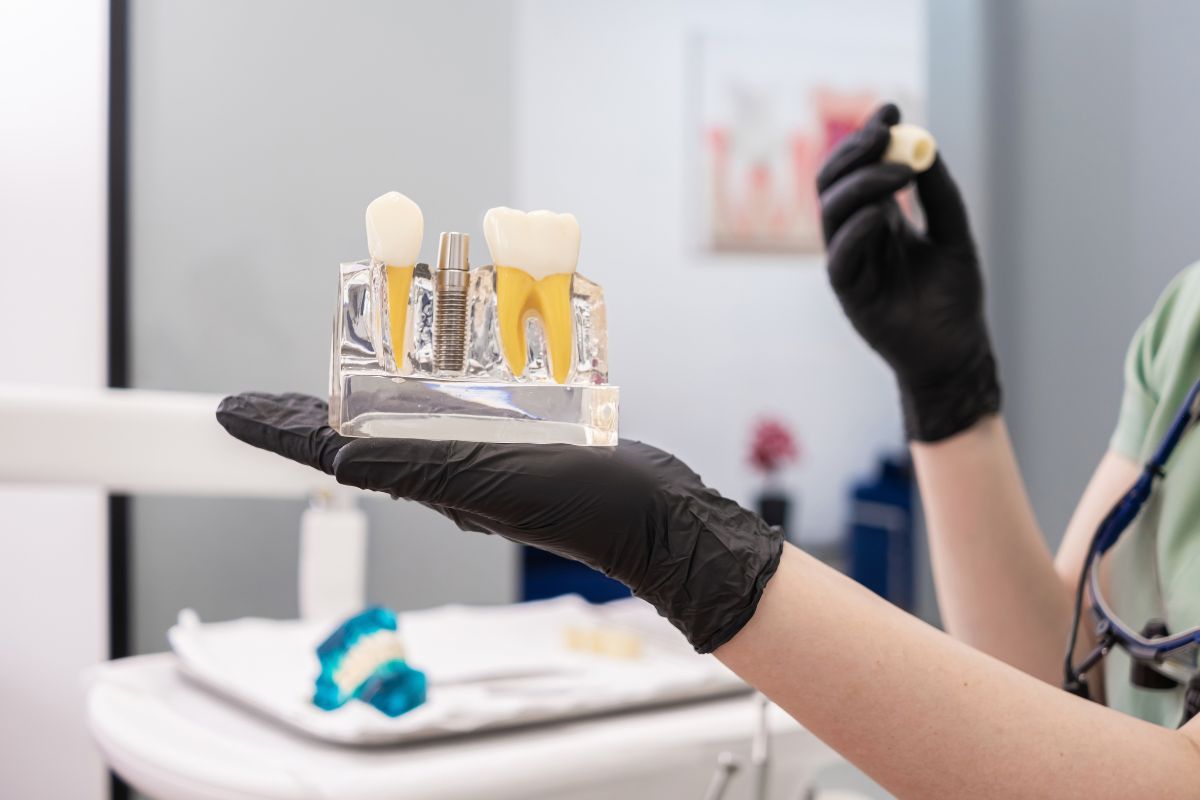
Dental implants can help replace missing teeth, but keeping them clean is an important part of protecting your oral health. Although implants are not natural teeth, the gums and bone surrounding them still need consistent care. Plaque can build up around an implant just as it does around natural teeth, potentially contributing to gum inflammation and other complications.
The good news is that maintaining dental implants does not have to be complicated. A consistent routine of brushing, cleaning between teeth, and attending regular dental appointments can help keep your mouth healthy. If you are considering dental implants treatment in Monroe, understanding daily implant care can also help you prepare for life after treatment.
Eddleman Dental in Monroe, Louisiana, provides dental care for patients exploring their options for replacing missing teeth. Whether you already have implants or are planning treatment, the following tips can help you understand the everyday habits that support implant maintenance.
Quick Answer: How Do You Care for Dental Implants?
To care for dental implants, brush twice daily with a soft-bristled toothbrush and fluoride toothpaste, clean between your teeth and around your implants every day, and follow your dentist’s cleaning recommendations. Avoid using abrasive products or sharp tools around the implant. Attend regular dental checkups so your dentist can monitor the implant, surrounding gums, and overall oral health.
1. Brush Your Teeth Twice a Day
Brushing is one of the most important steps in maintaining dental implants. While the implant itself cannot develop a cavity, plaque can collect around the implant crown and the gumline. If this buildup is not removed, the surrounding tissues may become inflamed.
Brush in the morning and before bed, paying attention to the area where the implant crown meets the gums.
Tips for brushing dental implants:
- Choose a soft-bristled toothbrush to help clean without irritating your gums.
- Use gentle, short strokes rather than scrubbing aggressively.
- Brush all surfaces of the implant crown, including the sides and chewing surface.
- Clean the gumline carefully, where plaque often accumulates.
- Use fluoride toothpaste to help protect your remaining natural teeth from cavities.
An electric toothbrush may also be useful if it helps you clean thoroughly and comfortably. Ask your dentist whether a particular toothbrush or brushing technique would suit your needs.
2. Clean Between Your Teeth and Around Implants Daily
Brushing alone cannot remove all the plaque and food particles that collect between teeth. Cleaning these areas every day is particularly important around dental implants because the surrounding gum tissue needs ongoing protection.
The best cleaning method depends on the position of your implant, the shape of your restoration, and the space between your teeth.
Choose the right cleaning tools
- Dental floss: Useful for cleaning between teeth and around many implant restorations. Follow your dentist’s instructions on how to guide it safely.
- Interdental brushes: Small brushes can help clean wider spaces and accessible areas around certain implant restorations. Choose a size recommended by your dental professional.
- Water flossers: These devices can help flush debris from around teeth and restorations. They may be especially helpful for some implant designs, although they do not necessarily replace every other cleaning method.
- Specialized implant-cleaning tools: Your dentist or hygienist can recommend suitable products if your implant has hard-to-reach areas.
Avoid forcing floss or brushes into tight spaces. Aggressive cleaning can irritate the gums or damage restorative components. If you are unsure how to clean around your implant, ask your dental team to demonstrate the technique.
3. Keep Your Gums Healthy
Healthy gums are essential for supporting dental implants. The gum tissue around an implant can become inflamed when plaque accumulates, causing redness, tenderness, or bleeding.
One possible complication is peri-implantitis, an inflammatory condition affecting the tissues around an implant that can lead to supporting bone loss. It requires professional assessment and treatment.
To support healthy gums, maintain your daily cleaning routine and pay attention to changes around your implants. Bleeding during cleaning, persistent swelling, or gum tenderness should not be ignored, especially if these symptoms are new or continue despite careful hygiene.
Remember that an implant may feel comfortable even when a problem is developing around it. Regular professional monitoring helps identify concerns that may not be obvious at home.
4. Be Careful With Hard and Sticky Foods
Dental implants are designed to withstand normal chewing, but that does not mean every food is equally suitable in every situation.
Very hard foods, such as ice and unpopped popcorn kernels, can damage natural teeth and dental restorations. Sticky foods may also be difficult to remove from certain areas around an implant crown or bridge.
Consider these practical habits:
- Avoid chewing ice or biting down on extremely hard objects.
- Cut hard foods into manageable pieces instead of biting into them forcefully.
- Follow any dietary restrictions provided after implant surgery.
- If you have recently received an implant, gradually return to your usual diet only as advised by your dentist.
- Tell your dentist if your implant crown feels loose or your bite suddenly seems different.
You generally do not need to avoid every firm food once your implant has healed. Your individual restoration, healing progress, and dentist’s recommendations should guide your choices.
5. Avoid Smoking and Follow Your Dentist’s Advice
Smoking can interfere with oral health and is associated with a higher risk of complications around dental implants. If you smoke, ask your dentist or healthcare professional about support for quitting.
If you’re planning to receive dental implants, understanding how to prepare for dental implant surgery can help you know what to expect before your procedure and how to follow your dentist’s instructions. After surgery, follow your post-operative guidance carefully, as recommendations for brushing, rinsing, eating, and physical activity may differ during the healing period.
It is also important to follow your post-operative instructions carefully if your implant was placed recently. Surgical sites need time to heal, and recommendations about brushing, rinsing, eating, and physical activity may differ during this period.
Do not assume that the care routine for a fully restored implant is appropriate immediately after surgery. Your dentist will explain when to begin cleaning the surgical area and which products to use.
6. Schedule Regular Dental Checkups and Professional Cleanings
Home care is essential, but it cannot replace professional dental examinations. During your appointments, your dental team can assess the implant crown, surrounding gums, bite, and accessible implant components.
Professional cleaning also helps remove deposits that you may not be able to eliminate effectively at home.
The frequency of your appointments depends on your oral health, history of gum disease, implant restoration, and individual risk factors. Your dentist can recommend a schedule that fits your needs.
If you’re looking for dental care in Monroe, LA, you can view our location and Google reviews to find Eddleman Dental and read feedback from patients.
7. Know Which Warning Signs Need Attention
Dental implant problems are not always painful at first. Recognizing changes early can help you seek an appropriate evaluation before a minor concern becomes more complicated.
Contact your dentist if you notice:
- Persistent redness, swelling, or bleeding around an implant.
- Pain or tenderness that does not improve as expected.
- Pus or unusual discharge near the implant.
- A loose-feeling crown, bridge, or implant-supported denture.
- Difficulty chewing or a sudden change in how your teeth fit together.
- Gum recession or a noticeable change in the appearance of the tissues around the implant.
A loose crown does not necessarily mean the implant itself has failed, but it should be checked promptly. Severe or rapidly increasing swelling, fever with signs of infection, or difficulty swallowing or breathing requires urgent medical or dental attention; breathing or swallowing difficulty warrants emergency care.
Do not attempt to tighten implant components yourself or use household tools to clean beneath the gumline.
Frequently Asked Questions About Dental Implant Care
Can you brush dental implants like natural teeth?
Yes. Brush implant crowns with a soft-bristled toothbrush and fluoride toothpaste, using gentle movements around the gumline. However, the implant’s design and restoration may affect how you should clean certain areas. Your dentist can show you the safest technique.
How often should dental implants be professionally cleaned?
Dental implants should be checked and professionally cleaned according to your dentist’s recommendations. Some patients need more frequent visits because of gum disease history, plaque buildup, or other risk factors. Your dental team can establish an appropriate maintenance schedule.
Can dental implants get cavities?
No. The implant fixture and artificial crown are not natural tooth structures, so they cannot develop cavities. However, plaque can still affect the surrounding gums, and nearby natural teeth remain susceptible to decay. Good oral hygiene is important for both.
What should I do if my dental implant starts bleeding?
Occasional bleeding can have different causes, including irritation from brushing or inflammation around the implant. Use gentle cleaning techniques and contact your dentist if bleeding persists, recurs, or occurs alongside swelling, pain, or discharge. Do not stop cleaning the area entirely without professional guidance.
Do dental implants need special toothpaste?
Not necessarily. Many patients can use regular fluoride toothpaste, but your dentist may recommend a particular product based on the restoration and your oral health. Avoid abrasive products or whitening treatments around the implant unless your dental professional confirms they are appropriate.
Conclusion: Make Dental Implant Care Part of Your Daily Routine
Learning how to care for dental implants starts with simple habits: brushing twice daily, cleaning between your teeth, protecting your gums, and keeping up with professional appointments. Paying attention to warning signs and following your dentist’s instructions can also help you maintain a healthy mouth around your restoration.
If you have dental implants or are considering replacing missing teeth, Eddleman Dental can help you discuss your dental care needs in Monroe, Louisiana. Visit the website to explore the service, or contact the practice to arrange a visit and discuss the care that may be appropriate for you.