
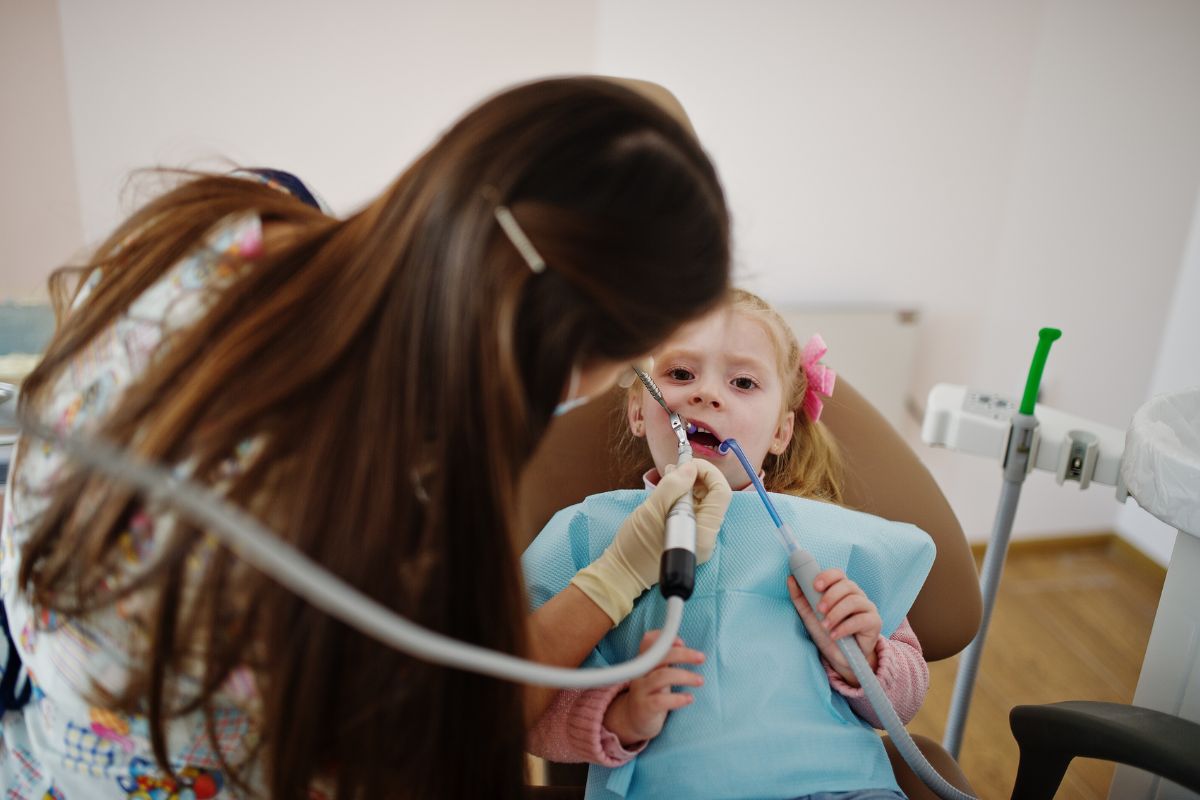
Cavities are common in childhood, but many can be prevented with consistent habits at home and regular professional dental care. For parents, the challenge is often knowing which everyday routines make the biggest difference.
If you’re looking for ways to protect your child’s teeth, working with a dentist for children in Monroe can help you understand your child’s individual oral health needs and build a preventive care routine that fits their age and development.
The good news is that cavity prevention does not have to be complicated. Small habits such as brushing with fluoride toothpaste, choosing tooth-friendly snacks, and keeping regular dental appointments can become a natural part of your child’s daily routine.
Quick Answer
To help prevent cavities in kids, have them brush twice a day with fluoride toothpaste, clean between their teeth daily, limit frequent sugary snacks and drinks, choose nutritious foods and water, and maintain regular dental visits. Depending on a child’s needs, a dentist may also recommend preventive options such as fluoride treatments or dental sealants.
10 Everyday Tips to Help Prevent Cavities in Children
1. Start brushing as soon as the first tooth appears
Cavity prevention begins early. As soon as your child’s first tooth comes in, make brushing part of the daily routine.
The American Dental Association recommends brushing twice a day with fluoride toothpaste. For children younger than 3, caregivers should use no more than a smear about the size of a grain of rice. Children ages 3 to 6 generally use a pea-sized amount.
Young children may not have the coordination to brush effectively on their own, so parents should help or supervise brushing.
2. Make twice-daily brushing non-negotiable
Morning and bedtime brushing are two simple anchors for a child’s oral hygiene routine.
Aim for about two minutes of brushing each time. A small timer, favorite song, or child-friendly toothbrush can make the routine easier to maintain.
Pay attention to all tooth surfaces, including the chewing surfaces of the back teeth, where food and plaque can collect.
3. Use fluoride toothpaste appropriately
Fluoride helps strengthen tooth enamel and reduce the risk of tooth decay. Brushing with fluoride toothpaste twice daily is an important part of cavity prevention.
Because younger children may swallow toothpaste, parents should supervise brushing and use the recommended amount for the child’s age.
If you are unsure which toothpaste or fluoride products are appropriate for your child, ask their dentist for personalized guidance.
4. Help your child clean between their teeth
Brushing cannot effectively clean every area between teeth. Once your child’s teeth touch each other, cleaning between them becomes an important part of their oral hygiene routine.
Depending on your child’s age and needs, this may involve traditional floss or another interdental cleaning method recommended by their dental professional.
Children often need assistance until they have the coordination to clean thoroughly on their own.
5. Limit frequent sugary snacks and drinks
It is not only the amount of sugar your child consumes that matters. How often teeth are exposed to sugary foods and drinks throughout the day can also affect cavity risk.
Try to limit frequent snacking on sugary foods and choose balanced meals and snacks instead. The ADA recommends reducing carbohydrate consumption and limiting sugary snacks between meals as part of cavity-risk management.
You do not have to make every treat disappear. The goal is to establish everyday eating habits that are kinder to your child’s teeth.
6. Make water a regular drink choice
Water is a simple choice between meals and after eating.
If your community water supply contains fluoride, drinking it can also contribute to cavity prevention. Children who drink fluoridated tap water have fewer cavities, according to the CDC.
If you are uncertain about your local water supply or whether your child needs additional fluoride, ask a dentist or other healthcare professional for guidance rather than starting supplements on your own.
7. Pay attention to sticky foods
Some foods can remain on tooth surfaces longer than others. Sticky snacks can be particularly challenging because they may cling to the grooves and surfaces of teeth.
When choosing snacks, consider options such as fresh fruits, vegetables, cheese, or other nutritious foods appropriate for your child’s age and dietary needs.
After particularly sticky or sugary foods, drinking water can be a simple way to rinse the mouth when brushing is not immediately practical.
8. Ask about dental sealants
Some children may benefit from dental sealants, particularly on the chewing surfaces of their back teeth.
Sealants are thin protective coatings placed over the grooves of teeth. They create a barrier that helps keep food particles and cavity-causing bacteria from settling into those difficult-to-clean areas. The CDC reports that dental sealants can prevent many cavities in back teeth.
Ask your child’s dentist whether sealants are appropriate based on their teeth and individual risk for cavities.
9. Keep regular dental appointments
A child can have a cavity before a parent notices an obvious problem. Regular dental visits allow a dental professional to monitor developing teeth and identify concerns early.
Routine visits are also an opportunity to review brushing habits, diet, fluoride use, and other preventive strategies based on your child’s needs.
For parents wondering how often kids should have dental checkups, the answer can vary depending on age, oral health, and individual risk. Your child’s dentist can recommend an appropriate schedule.
10. Turn oral care into a family routine
Children often learn by watching the adults around them. Making brushing and healthy food choices part of the family’s routine can make them feel less like chores and more like normal everyday habits.
Try brushing together, letting your child choose an age-appropriate toothbrush, or using a simple reward system for consistent routines.
The goal is not perfection. It is helping your child develop habits they can continue as they grow.
What If My Child Already Has a Cavity?
Preventive habits are important, but they cannot replace an examination when a cavity may already be present.
Contact your child’s dental office if you notice a visible spot or hole in a tooth, tooth sensitivity, discomfort when eating, or other changes that concern you. Some children may also have dental decay without obvious symptoms, which is another reason routine dental care matters.
A dental professional can examine the tooth and determine what care, if any, is appropriate.
Why Baby Teeth Still Matter
It can be tempting to think cavities in baby teeth are not very important because those teeth eventually fall out. However, primary teeth still play an important role during childhood.
They help children eat and speak and remain part of the mouth while the permanent teeth develop. Protecting them through good oral hygiene and professional care is therefore an important part of children’s dental health.
A Simple Daily Cavity-Prevention Routine
For busy families, keeping the routine simple can make it easier to follow.
Morning
- Brush with fluoride toothpaste.
- Have a balanced breakfast.
- Choose water when appropriate.
During the day
- Offer nutritious meals and snacks.
- Limit frequent sugary foods and drinks.
- Encourage water between meals.
Evening
- Clean between teeth as appropriate.
- Brush thoroughly with fluoride toothpaste.
- Make bedtime brushing the final oral-care step of the day.
Regularly
- Schedule dental checkups.
- Ask about fluoride and dental sealants when appropriate.
- Follow your child’s dentist’s recommendations.
Frequently Asked Questions
What is the best way to prevent cavities in kids?
The most important everyday habits include brushing twice daily with fluoride toothpaste, cleaning between teeth, limiting frequent sugary snacks and drinks, choosing nutritious foods, and maintaining regular dental care. A dentist can also recommend additional preventive measures based on your child’s individual risk.
At what age should children start brushing their teeth?
Brushing should begin as soon as the first tooth erupts. Parents or caregivers should help or supervise young children and use an age-appropriate amount of fluoride toothpaste.
Does fluoride toothpaste help prevent cavities in children?
Yes. Fluoride toothpaste helps strengthen enamel and is an important part of cavity prevention. The amount used should be appropriate for the child’s age, and young children should be supervised so they learn to spit out excess toothpaste rather than swallow it.
Are dental sealants helpful for children?
Dental sealants can provide an added layer of protection on the chewing surfaces of back teeth, where grooves can make cleaning more difficult. A child’s dentist can determine whether sealants are appropriate.
Can children get cavities even if they brush their teeth?
Yes. Brushing is an important preventive step, but cavity risk is influenced by several factors, including diet, oral hygiene, fluoride exposure, tooth anatomy, and individual risk. Regular dental visits help identify concerns and determine whether additional preventive care may be useful.
Conclusion
Learning how to prevent cavities in kids starts with habits that are simple enough to repeat every day. Twice-daily brushing with fluoride toothpaste, cleaning between teeth, making thoughtful food and drink choices, and keeping regular dental appointments can all contribute to healthier smiles.
Every child is different, so preventive care should be tailored to their age, dental development, and individual needs. If you have questions about your child’s oral health or cavity risk, Eddleman Dental can help you determine the next appropriate step for your child in Monroe, LA.
When considering dental care for your child, you can read reviews from local patients on Google to learn more about their experiences with Eddleman Dental.