Tooth pain doesn’t always go away on its own. Sometimes, persistent discomfort, swelling, or damage can point to a problem that requires more than a filling or crown. Recognizing the signs you need oral surgery early can help prevent infections, preserve your oral health, and reduce the risk of more complex treatments later.
If you’re in Monroe, LA, understanding when oral surgery is recommended can help you make informed decisions about your dental care. At Eddleman Dental, our team provides compassionate, patient-focused treatment using modern technology to ensure a comfortable experience.
Quick Answer
If you have severe tooth pain, impacted wisdom teeth, recurring infections, loose teeth, jaw problems, oral cysts, facial swelling, or significant dental trauma, you may need oral surgery. A dental examination with digital imaging can determine the cause and identify the most appropriate treatment before the condition worsens.
What Is Oral Surgery?
Oral surgery includes procedures that treat conditions affecting the teeth, gums, jaw, and surrounding tissues. While many dental issues can be managed with preventive or restorative care, some problems require a surgical approach to restore function, relieve pain, and protect your long-term oral health.
Common oral surgery procedures include:
- Tooth extractions
- Wisdom tooth removal
- Bone grafting
- Dental implant placement
- Treatment of oral infections
- Removal of cysts or abnormal tissue
Your dentist will only recommend surgery when it is the most appropriate option for your condition.
10 Signs You Need Oral Surgery
1. Persistent Tooth Pain
Ongoing tooth pain that doesn’t improve with home care may indicate a deep infection, severe decay, or damage below the gumline. If a tooth cannot be saved through restorative treatment, surgical extraction may be necessary.
Ignoring persistent pain often allows the problem to become more serious.
2. Impacted Wisdom Teeth
Wisdom teeth frequently become trapped beneath the gums because there isn’t enough room for them to erupt properly.
Signs of impacted wisdom teeth include:
- Jaw soreness
- Swollen gums
- Difficulty opening your mouth
- Bad breath
- Pain when chewing
Removing impacted wisdom teeth can prevent infections and damage to neighboring teeth.
3. Swelling Around the Face or Jaw
Facial swelling should never be ignored. It may signal a serious dental infection that has spread beyond the tooth.
Oral surgery may be needed to:
- Drain an abscess
- Remove the infected tooth
- Prevent the infection from spreading
Prompt treatment is important to protect both your oral and overall health.
4. A Tooth Is Too Damaged to Repair
Sometimes a tooth is fractured below the gumline or has extensive decay that cannot be restored with a filling or crown.
When this happens, removing the damaged tooth may be the healthiest solution before replacing it with a dental implant or another restoration.
5. Loose Teeth Caused by Advanced Gum Disease
Advanced periodontal disease can destroy the bone supporting your teeth.
If teeth become loose due to severe bone loss, oral surgery may be recommended to:
- Remove unsalvageable teeth
- Prepare for dental implants
- Restore healthier oral structures
6. Difficulty Chewing or Jaw Pain
Chronic jaw pain, limited jaw movement, or discomfort while chewing may indicate problems involving the jawbone or surrounding tissues.
Your dentist may recommend imaging to determine whether surgical treatment is necessary.
7. Missing Teeth Requiring Dental Implants
Dental implants often require oral surgery because the implant post is placed directly into the jawbone.
If you’ve lost one or more teeth, surgical implant placement offers a long-lasting solution that looks and functions like natural teeth.
8. Oral Cysts or Unusual Growths
Lumps, cysts, or abnormal tissue inside the mouth should always be evaluated promptly.
While many growths are harmless, some require surgical removal and laboratory evaluation to ensure proper diagnosis.
Regular dental examinations help detect these issues early.
9. Repeated Dental Infections
Recurring infections around the same tooth often indicate a deeper problem that cannot resolve without surgical treatment.
Your dentist may recommend:
- Surgical extraction
- Removal of infected tissue
- Bone preservation procedures
Early treatment helps prevent repeated pain and complications.
10. Dental Trauma After an Accident
Sports injuries, falls, or vehicle accidents can cause severe damage to teeth and surrounding bone.
Oral surgery may be necessary to:
- Remove damaged teeth
- Repair fractured bone
- Restore proper bite alignment
Seeking immediate dental care after trauma improves treatment outcomes.
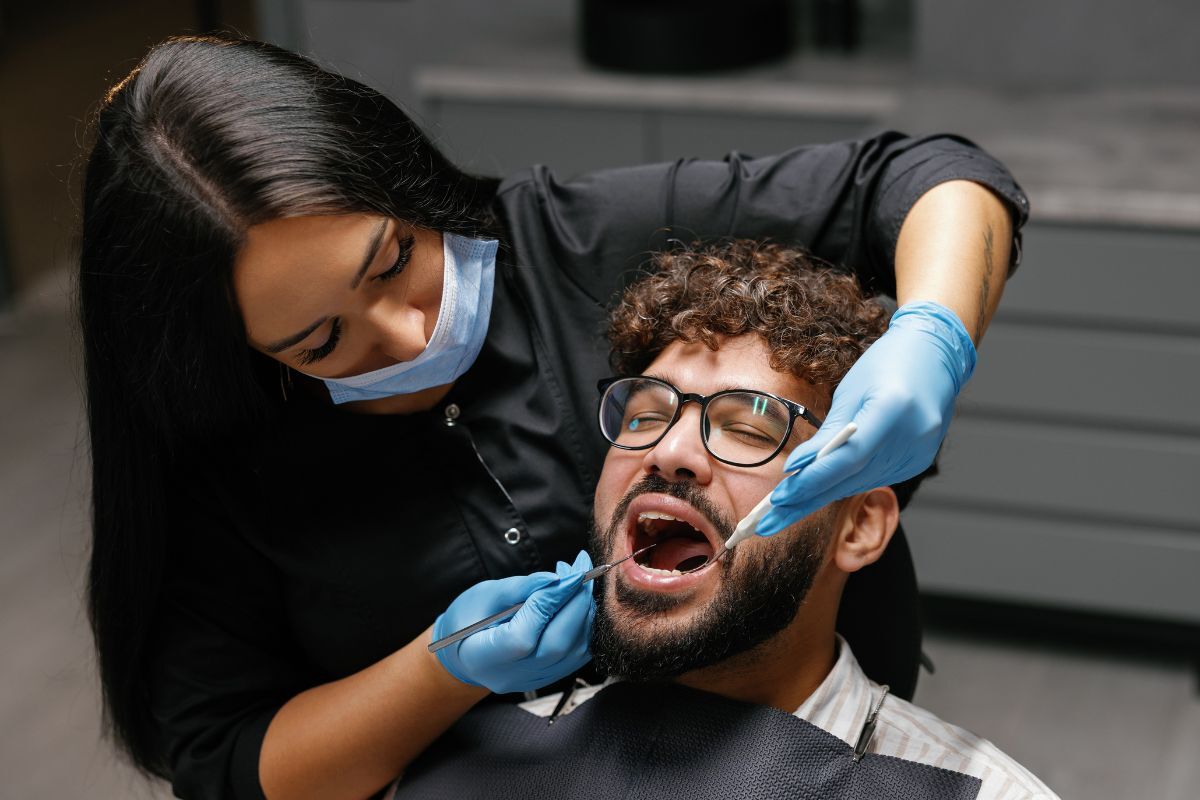
What Happens During an Oral Surgery Consultation?
Many patients feel nervous about surgery, but the consultation is designed to answer questions and create a personalized treatment plan.
Your visit typically includes:
- Comprehensive oral examination
- Digital X-rays or 3D imaging
- Discussion of symptoms
- Review of medical history
- Personalized treatment recommendations
You’ll also receive instructions explaining how to prepare for your procedure and what to expect during recovery.
Benefits of Oral Surgery
Although surgery may sound intimidating, it often provides lasting relief and improves oral health.
Benefits include:
- Relief from chronic pain
- Elimination of infection
- Improved chewing ability
- Better long-term oral health
- Prevention of future dental complications
- Support for restorative treatments such as dental implants
Recovery and Aftercare Tips
Recovery depends on the procedure performed, but most patients experience steady improvement within several days.
For a smoother recovery:
- Follow all post-operative instructions.
- Take prescribed medications as directed.
- Eat soft foods during the first few days.
- Avoid smoking and drinking through straws.
- Keep the surgical area clean.
- Attend follow-up appointments.
Recovering from oral surgery also means paying close attention to what you eat. Learning how diet affects oral health can help you choose foods that support healing, reduce inflammation, and protect your teeth and gums long after your procedure.
Does Oral Surgery Cost a Lot?
The cost varies depending on the complexity of the procedure, diagnostic imaging, anesthesia, and whether additional treatments are needed.
Many dental insurance plans provide benefits for medically necessary oral surgery. During your consultation, your dental team can explain treatment costs, insurance coverage, and available payment options so there are no surprises.
Why Choose Eddleman Dental in Monroe?
Choosing the right dental provider makes a significant difference in your treatment experience.
At Eddleman Dental, patients receive personalized care from a team committed to comfortable, high-quality treatment. We use modern diagnostic technology, digital imaging, and advanced techniques to improve precision while keeping patient comfort a priority.
Whether you need a simple tooth extraction or more complex oral surgery in Monroe, our team takes the time to explain every step, answer your questions, and create a treatment plan tailored to your needs. Our commitment to compassionate care has helped patients throughout Monroe and the surrounding communities receive the treatment they need with confidence.
See What Local Patients Are Saying
Want to stay informed about dental tips, office news, and patient experiences? Visit our Google Business Profile to explore recent updates, read reviews from local patients, and learn more about the care available at Eddleman Dental.
Conclusion
Knowing the signs you need oral surgery can help you seek treatment before a dental problem becomes more serious. Persistent pain, swelling, impacted wisdom teeth, recurring infections, and dental injuries should never be ignored.
If you’re experiencing any of these symptoms, the experienced team at Eddleman Dental is here to help. Schedule a comprehensive evaluation to receive an accurate diagnosis and personalized treatment plan. Call +1 3189008717 today to take the next step toward a healthier smile.
Frequently Asked Questions
What are the most common signs you need oral surgery?
Persistent tooth pain, impacted wisdom teeth, facial swelling, severe tooth damage, recurring infections, loose teeth from advanced gum disease, jaw pain, and oral cysts are among the most common reasons your dentist may recommend oral surgery.
Is oral surgery painful?
Modern oral surgery is performed using local anesthesia, sedation, or other comfort options to minimize discomfort. Most patients experience mild soreness afterward that can be managed with medication and proper aftercare.
How long does recovery take after oral surgery?
Recovery varies depending on the procedure. Simple extractions may heal within several days, while more complex surgeries, such as implant placement or bone grafting, can require several weeks for complete healing.
Can I drive myself home after oral surgery?
If you receive only local anesthesia, you may be able to drive yourself. However, if sedation or general anesthesia is used, you’ll need someone to drive you home safely after the procedure.
How do I know if my tooth needs extraction instead of a filling?
A dental examination and X-rays are needed to determine whether a tooth can be restored. If the tooth is severely damaged, fractured below the gumline, or has extensive infection, extraction may be the best option.