
Missing teeth can affect your confidence, comfort, and oral health. If you’re considering dental implants, one of the most common questions is: how long do dental implants last? The good news is that dental implants are designed to be a long-term tooth replacement solution. With proper care and regular dental visits, many implants can last for decades.
For patients considering dental implants in Monroe, understanding what affects implant longevity can help you protect your investment and enjoy a healthy smile for years to come.
Quick Answer
Dental implants can last 20 years or longer, and many last a lifetime with proper care. While the implant post itself is highly durable, the crown attached to it may need replacement after 10-15 years due to normal wear. Regular dental checkups, excellent oral hygiene, and healthy lifestyle habits are key to long-term success.
How Long Do Dental Implants Last?
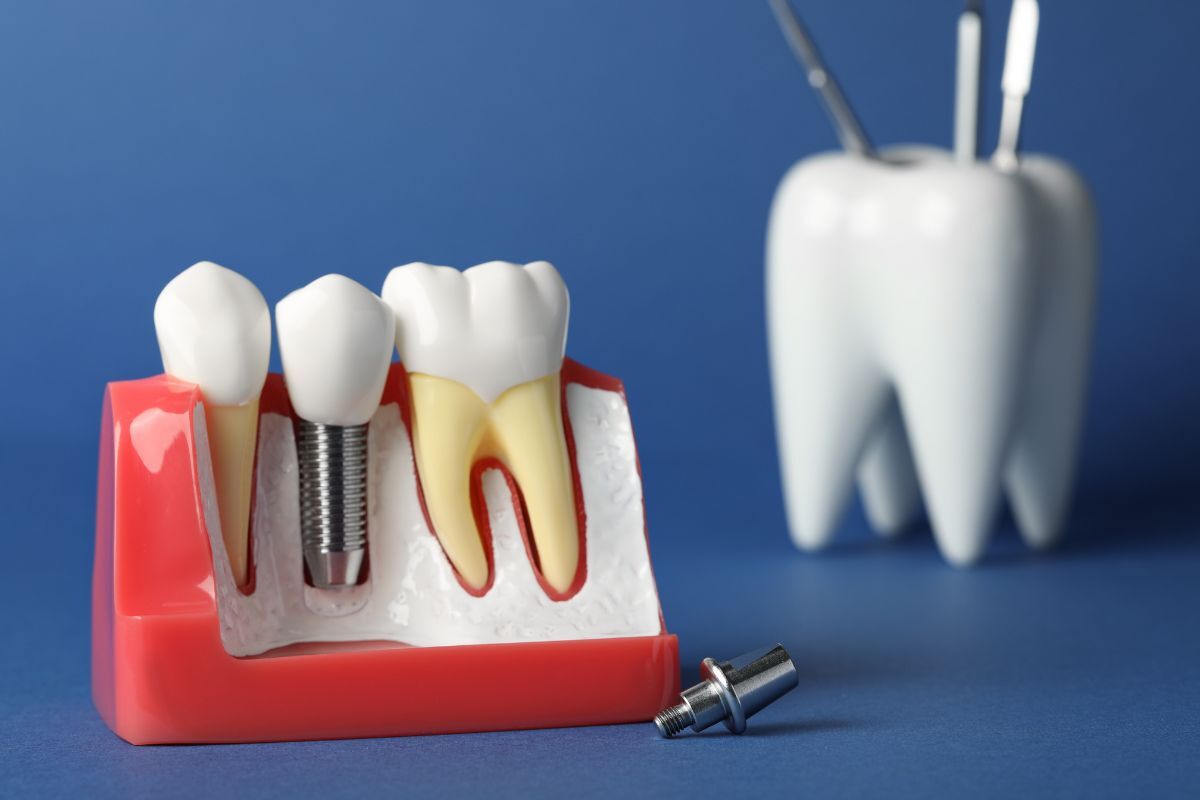
Dental implants are made from biocompatible materials, typically titanium, that fuse with the jawbone through a process called osseointegration. Once fully integrated, the implant becomes a stable foundation for a replacement tooth.
In general:
- Implant post: 20+ years and often a lifetime
- Dental crown: Typically 10-15 years before replacement may be needed
- Implant-supported bridges and dentures: Longevity varies depending on maintenance and materials
Research consistently shows high success rates for dental implants when patients maintain good oral health and follow professional recommendations.
What Factors Affect the Lifespan of Dental Implants?
Several factors influence how long an implant lasts.
Oral Hygiene Habits
Even though implants cannot develop cavities, the surrounding gum tissue can still become infected. Poor oral hygiene may lead to peri-implant disease, which can compromise implant stability.
Daily care should include:
- Brushing twice a day
- Flossing around implants
- Using antimicrobial mouthwash when recommended
- Attending routine dental cleanings
Gum Health
Healthy gums play a major role in implant success. Gum disease can cause bone loss around the implant and increase the risk of implant failure.
If you have a history of periodontal disease, your dentist may recommend additional maintenance visits.
Smoking and Tobacco Use
Smoking reduces blood flow to the gums and can interfere with healing. Studies show smokers generally have a higher risk of implant complications and failure compared to non-smokers.
Quitting tobacco use can significantly improve long-term outcomes.
Teeth Grinding and Clenching
Chronic grinding, also known as bruxism, places excessive pressure on implants and restorations.
Your dentist may recommend:
- A custom night guard
- Bite adjustments
- Monitoring for excessive wear
Overall Health
Certain medical conditions can affect healing and bone health, including:
- Uncontrolled diabetes
- Autoimmune disorders
- Osteoporosis
- Certain medications
A comprehensive dental evaluation helps determine whether dental implants are a suitable option.
Not everyone is automatically eligible for implant treatment, but many patients can qualify with proper planning and care. Factors such as healthy gums, sufficient jawbone support, and overall oral health play an important role in determining candidacy. If you’re unsure whether implants are right for you, learn more about becoming a Candidate for Dental Implants and what steps may help improve your eligibility for treatment.
What Happens During the Dental Implant Process?
Understanding the treatment process can help patients feel more confident about their decision.
Initial Consultation
Your dentist evaluates:
- Oral health
- Jawbone density
- Gum condition
- Medical history
Digital imaging may be used to create a personalized treatment plan.
Implant Placement
The titanium implant post is surgically placed into the jawbone. Healing and integration typically take several months.
Abutment Placement
Once healing is complete, an abutment is attached to connect the implant and restoration.
Final Restoration
A custom dental crown, bridge, or denture is placed to restore function and appearance.
The result is a stable, natural-looking tooth replacement that closely mimics natural teeth.
Maintenance Tips for Long-Term Implant Success
Dental implants require consistent care, just like natural teeth.
Brush and Floss Daily
Plaque can accumulate around implants and irritate gum tissue. Daily cleaning helps prevent complications.
Schedule Regular Dental Visits
Routine exams allow your dentist to:
- Monitor implant health
- Detect problems early
- Perform professional cleanings
- Evaluate bite alignment
Protect Your Smile
If you participate in sports or grind your teeth, protective appliances can help prevent damage.
Eat a Balanced Diet
Good nutrition supports healthy gums and strong bone tissue.
Focus on foods rich in:
- Calcium
- Vitamin D
- Protein
- Antioxidants
Avoid Harmful Habits
Limiting tobacco use and avoiding chewing on hard objects such as ice can help preserve both implants and restorations.
Signs You Should Contact Your Dentist
Although implant complications are uncommon, it’s important to recognize warning signs.
Contact your dentist if you notice:
- Persistent pain
- Swollen gums
- Bleeding around the implant
- Implant mobility
- Difficulty chewing
- Changes in your bite
Early treatment often prevents more serious issues.
Why Choose Eddleman Dental in Monroe?
Choosing the right dental provider can make a significant difference in your implant experience.
At Eddleman Dental, patients receive personalized treatment designed to support long-term oral health and smile function. Our team combines modern dental technology with a patient-centered approach to help create predictable and comfortable treatment experiences.
Patients seeking dental implants in Monroe appreciate:
- Comprehensive implant evaluations
- Customized treatment planning
- Advanced diagnostic technology
- Focus on patient education
- Compassionate, personalized care
- Convenient care for families throughout Monroe and surrounding communities
Our goal is to help patients achieve healthy, confident smiles that last for years.
See What Local Patients Are Saying
Want to learn more about the experiences of patients in the Monroe community? See patient reviews on Google to read feedback from local patients, explore recent updates from Eddleman Dental, and stay informed about helpful dental care tips and practice news.
Frequently Asked Questions
Can dental implants last a lifetime?
Yes. Many dental implants last a lifetime when patients maintain excellent oral hygiene, attend regular dental visits, and avoid habits that may damage the implant or restoration.
What is the success rate of dental implants?
Dental implants have a high long-term success rate, often exceeding 90-95% in healthy patients who follow recommended care and maintenance guidelines.
Do dental implant crowns need replacement?
Yes. While the implant post can last for decades, the crown attached to it may need replacement after approximately 10-15 years due to normal wear.
Are dental implants worth the investment?
Many patients consider implants worthwhile because they offer durability, stability, natural appearance, and long-term oral health benefits compared to other tooth replacement options.
How often should implant patients visit the dentist?
Most patients should visit every six months for exams and cleanings. Your dentist may recommend more frequent visits based on your oral health needs.
Conclusion
If you’re wondering how long do dental implants last, the answer is encouraging: with proper care, they can provide decades of reliable function and a natural-looking smile. Daily oral hygiene, routine dental visits, and healthy lifestyle choices all contribute to long-term success.
If you’re considering dental implants in Monroe, the team at Eddleman Dental can help you determine whether implants are the right solution for your needs. Call (318) 900-8717 today to schedule your consultation and learn how dental implants can restore your smile, confidence, and oral health for years to come.