By Eddleman Dental | Monroe, LA
You have probably seen them on every pharmacy shelf: whitening strips, whitening toothpastes, LED kits, and rinses that promise a brighter smile in just days. It sounds simple. But do they actually work? As a trusted dentist in Monroe, we get this question a lot. So let us clear things up once and for all.
What Over-the-Counter Whitening Products Actually Contain
Most OTC whitening products use one of two bleaching agents: hydrogen peroxide or carbamide peroxide. These chemicals break down surface stains on the enamel. The results depend on the concentration of the bleaching agent and how long it stays in contact with your teeth.
Here is the catch: OTC products are regulated to use much lower concentrations than what a dental office provides. A whitening strip may contain 3 to 10 percent hydrogen peroxide. Professional treatments can go up to 35 to 40 percent, applied safely under expert supervision.
This means OTC products can lighten surface stains, but they have real limits.
What They Can (and Cannot) Do
What Works
- Surface stains from coffee, tea, or wine: Yes, OTC strips and trays can help fade these over time.
- Gradual whitening: With consistent use over two to four weeks, you may see a noticeable difference.
- Maintenance after professional whitening: OTC products work well to keep results fresh after a clinical treatment.
What Does Not Work
- Deep or intrinsic stains: These come from antibiotics (like tetracycline), injury, or aging. OTC products rarely touch them.
- Crowns, veneers, or fillings: Bleaching agents do not change the color of dental restorations. If you have visible restorations, whitening products can make them look mismatched.
- Instant results: Any product claiming dramatic results overnight is misleading you.
The Risks Nobody Talks About
This is where many people are surprised. OTC whitening is not risk-free. The most common side effects include:
- Tooth sensitivity: Peroxide opens up the dentinal tubules, which causes a sharp, temporary sensitivity to hot and cold.
- Gum irritation: Ill-fitting whitening trays can let gel seep onto your gums, causing redness, soreness, or minor burns.
- Enamel erosion: Overusing whitening products or applying them too frequently wears down tooth enamel over time.
A study published by the National Institutes of Health found that repeated use of high-concentration at-home whitening products significantly increased dentinal hypersensitivity. The risks rise when products are used without professional guidance.
Why Professional Whitening Is a Different Experience
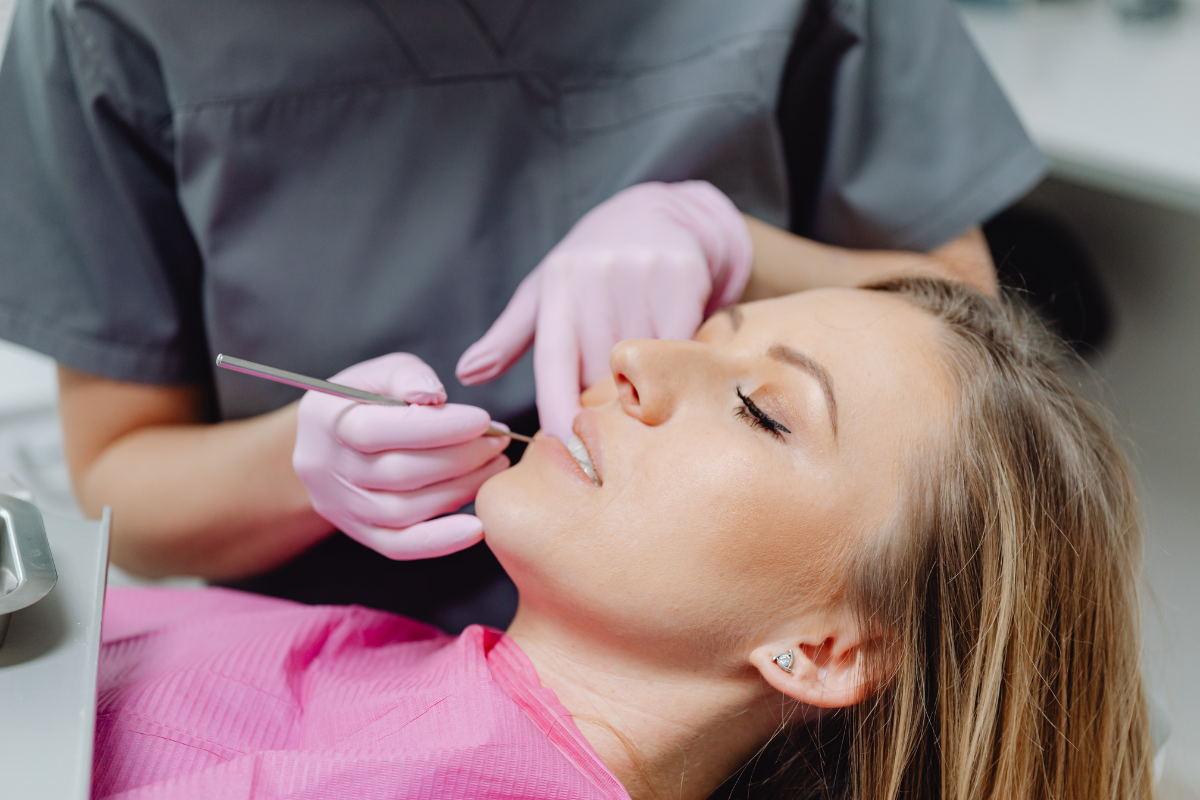
When you visit a Monroe dentist, the process is not just about applying a stronger gel. Your provider checks for cavities, gum disease, exposed roots, and existing dental work before starting any whitening treatment. All of these factors affect the outcome and your safety.
Professional whitening also uses custom-fitted trays or in-office light-activated systems that deliver even, consistent results. The entire process is monitored, so side effects are managed in real time.
The American Dental Association recommends consulting a dental professional before using any whitening treatment, especially for people with sensitive teeth, existing dental work, or gum concerns.
So, Truth or Myth?
Here is the honest answer: both.
OTC whitening products are not complete myths. They do work for mild surface staining, and many people see light improvement. But calling them a full solution is a stretch. They are limited in strength, carry real risks when misused, and cannot address deeper discoloration.
The truth is that the best whitening results come from a personalized plan, not a one-size-fits-all strip off a shelf.
Frequently Asked Questions
- How long does it take for OTC whitening products to show results? Most strips and trays take two to four weeks of daily use to show visible changes, and results vary by person.
- Are whitening toothpastes effective? They remove surface stains through mild abrasives, but they do not bleach teeth. Results are subtle and gradual.
- Can whitening damage enamel? Yes, if overused. Following product instructions and taking breaks between treatments helps protect enamel.
- Why are my teeth sensitive after whitening? Peroxide temporarily opens tiny pores in your enamel. The sensitivity usually fades within 24 to 48 hours.
- Will whitening work on my crowns or veneers? No. Bleaching agents only affect natural tooth enamel. Restorations stay their original color.
- Is professional whitening worth the cost? For moderate to deep staining or for lasting, even results, professional whitening delivers significantly better outcomes than OTC options.
- How often can I safely use whitening strips? Most brands recommend one treatment cycle every three to six months to avoid overexposure.
Make a Smart Choice for Your Smile
If you have been relying on store-bought kits without seeing the results you hoped for, it may be time to talk to a professional. A dentist in Monroe can assess your specific situation, identify the cause of discoloration, and recommend the safest and most effective path forward.
At Eddleman Dental in Monroe, LA, we believe in transparent, patient-first care. We do not push treatments you do not need. We help you understand what will actually work for your teeth, your budget, and your health.
Ready to get real answers? Schedule a consultation with our team today, or simply contact a local dental office that puts your needs first. Your smile deserves more than a guess.
Eddleman Dental | Monroe, LA Serving the Monroe community with honest, compassionate dental care.