
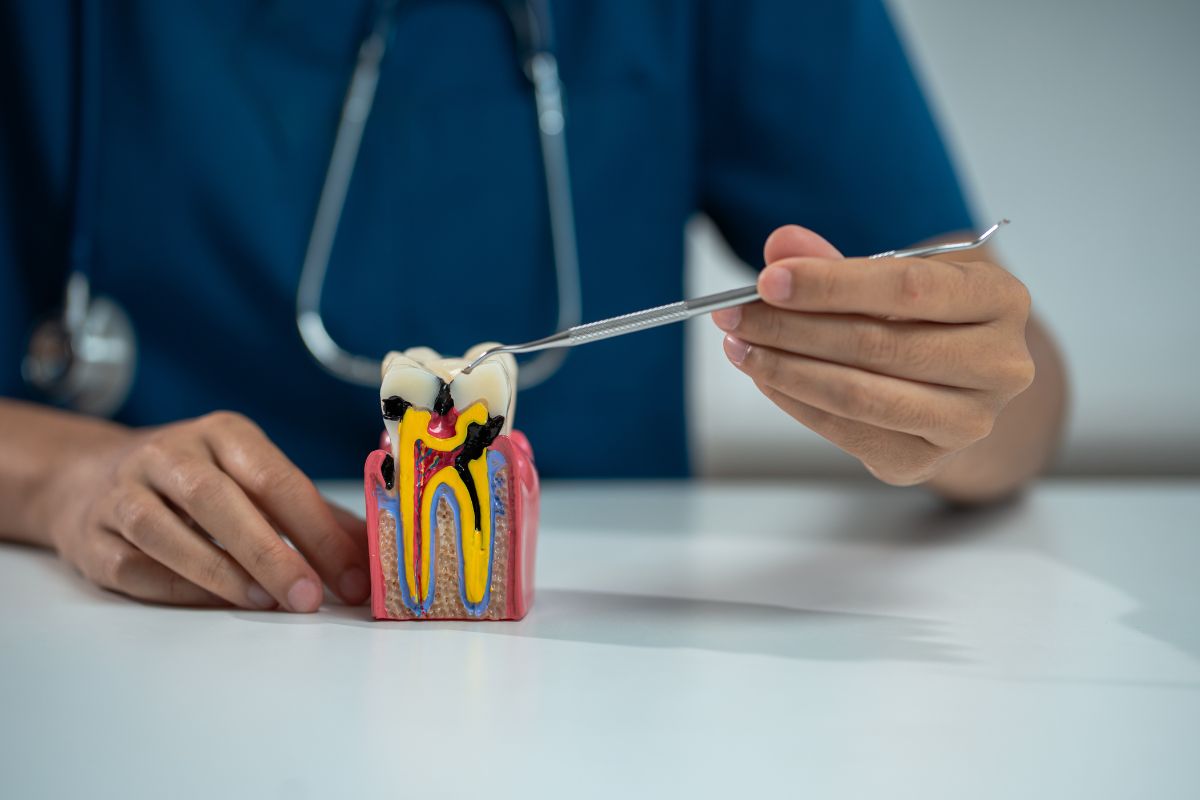
A persistent toothache can make it difficult to eat, sleep, or focus on your daily routine. While not every toothache requires extensive treatment, certain symptoms may indicate a deeper problem inside the tooth. Understanding the signs you need a root canal can help you seek treatment before the issue worsens.
If you’re experiencing ongoing dental discomfort in Monroe, recognizing the warning signs early may help save your natural tooth and prevent more serious complications.
One of the most common signs you need a root canal is persistent tooth pain that doesn’t go away. Other symptoms include sensitivity to hot or cold temperatures, swollen gums, tooth discoloration, pain when chewing, and a pimple-like bump on the gums. A dental examination can determine whether root canal treatment is necessary.
What Is a Root Canal Treatment?
A root canal is a procedure used to treat infection or damage within the pulp of a tooth. The pulp contains nerves, blood vessels, and connective tissue that help the tooth develop.
When bacteria reach the pulp due to deep decay, a crack, or trauma, the tissue can become inflamed or infected. Root canal treatment removes the infected tissue, cleans the inside of the tooth, and seals it to help preserve the natural tooth.
Common Signs You Need a Root Canal
Not every patient experiences the same symptoms. However, the following signs often indicate that a root canal may be needed.
Persistent Tooth Pain
Ongoing tooth pain is one of the most common warning signs. The discomfort may:
- Be constant or come and go
- Radiate into the jaw, face, or nearby teeth
- Worsen when eating or drinking
- Continue for several days or weeks
Pain that lingers should never be ignored, especially if it interferes with everyday activities.
Sensitivity to Hot and Cold
Do your teeth hurt when you drink coffee or eat ice cream?
Temporary sensitivity is common, but prolonged sensitivity that lingers after the hot or cold source is removed may indicate nerve damage inside the tooth.
Pain When Chewing or Biting
Pressure on an infected tooth can trigger sharp pain or discomfort. This often occurs because inflammation around the root tip affects the surrounding tissues.
You may notice:
- Pain while chewing
- Discomfort when biting down
- A feeling that the tooth is elevated or different from surrounding teeth
Swollen or Tender Gums
Inflammation around an infected tooth may cause swelling in the gums nearby.
Common symptoms include:
- Tenderness
- Redness
- Puffiness
- Localized gum swelling
In some cases, the swelling may come and go but still indicate an underlying infection.
Tooth Discoloration
A tooth that becomes darker than neighboring teeth may signal internal damage.
When the pulp inside the tooth begins to deteriorate, blood flow can be affected, causing the tooth to appear:
- Gray
- Brownish
- Dark yellow
While discoloration can occur for several reasons, a dentist should evaluate any sudden color changes.
A Pimple-Like Bump on the Gums
A small bump or sore on the gums near a painful tooth can indicate an infection draining from the tooth root.
This bump may:
- Release fluid or pus
- Appear and disappear repeatedly
- Cause an unpleasant taste in the mouth
This symptom requires prompt professional attention.
What Causes the Need for Root Canal Therapy?
Several dental issues can lead to pulp infection or damage, including:
- Deep tooth decay
- Untreated cavities
- Cracked or fractured teeth
- Repeated dental procedures on the same tooth
- Dental trauma or injury
- Severe gum infections affecting tooth roots
Routine dental exams can help identify these problems before they become serious.
What Happens During Root Canal Therapy?
Many patients are surprised to learn that modern root canal treatment is similar in comfort to getting a dental filling.
The procedure typically involves:
Examination and Imaging
Your dentist evaluates the tooth and takes digital X-rays to determine the extent of the infection.
Removal of Infected Tissue
The infected pulp is carefully removed from inside the tooth.
Cleaning and Disinfection
The root canals are cleaned, shaped, and disinfected to eliminate bacteria.
Filling and Sealing
The canals are filled with a biocompatible material and sealed.
Final Restoration
In many cases, a dental crown is recommended to strengthen and protect the treated tooth.
Benefits of Root Canal Therapy
Choosing timely treatment offers several important benefits:
- Preserves your natural tooth
- Relieves pain and discomfort
- Prevents infection from spreading
- Restores normal chewing function
- Supports long-term oral health
- Avoids the need for tooth extraction in many cases
Modern root canal therapy is highly effective and can help patients maintain their smiles for years.
What Happens If You Delay Treatment?
Ignoring symptoms can allow the infection to progress.
Potential complications include:
- Severe tooth pain
- Dental abscess formation
- Bone loss around the tooth root
- Spread of infection to surrounding tissues
- Eventual tooth loss
Seeking treatment early often results in simpler and more predictable care.
Aftercare Tips Following Root Canal Treatment
Proper care helps support healing and long-term success.
Consider these recommendations:
- Follow all post-treatment instructions
- Avoid chewing on the treated tooth until fully restored
- Brush and floss daily
- Attend recommended follow-up visits
- Schedule regular dental checkups
Most patients return to normal activities shortly after treatment.
Why Choose Eddleman Dental in Monroe?
When it comes to Root Canal Therapy in Monroe, choosing an experienced dental team can make a significant difference in your comfort and treatment experience.
At Eddleman Dental, patients benefit from:
- Personalized treatment planning
- Advanced diagnostic technology
- A compassionate, patient-focused approach
- Comprehensive restorative dental care
- Convenient care for families throughout Monroe and surrounding communities
The team is committed to helping patients preserve their natural teeth whenever possible while providing comfortable, evidence-based treatment solutions.
See What Local Patients Are Saying
Want to stay informed about dental care tips, office announcements, and experiences from local patients? Check our recent Google posts to explore practice updates, helpful dental information, and news from Eddleman Dental in Monroe.
Conclusion
Recognizing the signs you need a root canal can help you protect your oral health and avoid more serious dental complications. Persistent tooth pain, lingering sensitivity, gum swelling, discoloration, and discomfort when chewing are all symptoms that deserve professional evaluation.
If you’re experiencing any of these warning signs, don’t wait for the problem to worsen. Contact Eddleman Dental today to schedule an evaluation and learn whether Root Canal Therapy in Monroe is the right solution for restoring your comfort and preserving your natural smile.
Call +1 (318) 900-8717 today to book your appointment and take the first step toward relieving your tooth pain and protecting your oral health.
Frequently Asked Questions
- How do I know if I need a root canal or just a filling?
A filling is typically used when decay affects the outer portion of the tooth. If the infection reaches the pulp and causes nerve damage, a root canal may be necessary. A dental exam and X-rays can determine the appropriate treatment.
- Is root canal treatment painful?
Modern root canal treatment is generally no more uncomfortable than receiving a dental filling. Local anesthesia helps keep patients comfortable throughout the procedure.
- Can a tooth heal without a root canal?
If the pulp is infected, the tooth usually cannot heal on its own. Delaying treatment may allow the infection to worsen and increase the risk of tooth loss.
- How long does a root canal procedure take?
Many root canal treatments can be completed in one or two appointments. The exact timeline depends on the complexity of the case and the tooth being treated.
- How long does a root canal-treated tooth last?
With proper care, a root canal-treated tooth can last many years or even a lifetime. Good oral hygiene and regular dental visits are important for long-term success.
- Should I see a dentist immediately for tooth pain?
Persistent tooth pain should always be evaluated promptly. Early diagnosis can help prevent infection from spreading and may increase the chances of saving the natural tooth.