
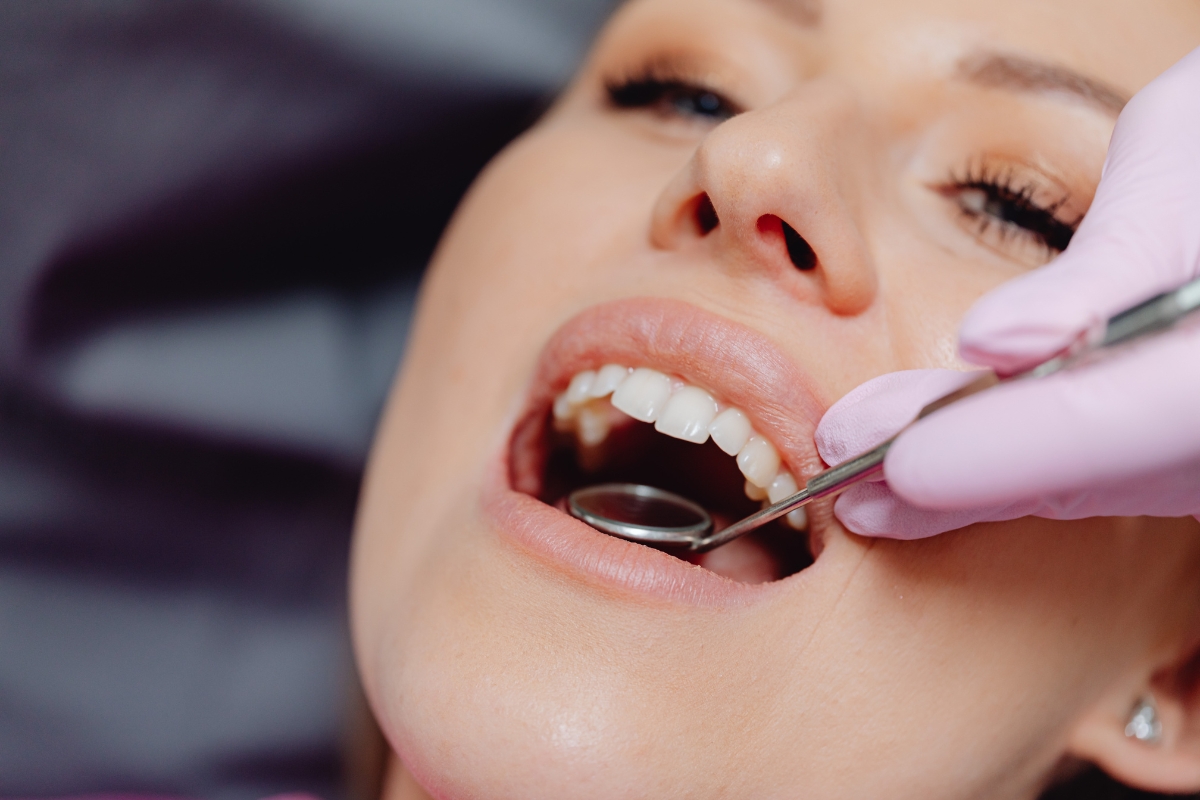
Most people sit back in the dental chair and wait for it to be over. But have you ever wondered what is actually going on during those 45 minutes? There is a lot happening inside your mouth, and knowing the steps can help you feel more at ease and take better care of your teeth at home.
At Eddleman Dental in Monroe, LA, we want every patient to walk out feeling informed, not just cleaned. Whether you come in for a routine visit or need more advanced care, such as oral surgery in Monroe, it all starts with understanding what good dental care looks like.
The Very First Step: A Quick Visual Check
Before any tools come out, your hygienist takes a close look at your mouth. They check your gums, the surfaces of your teeth, and the soft tissue inside your cheeks and lips. This quick scan helps them spot anything that needs attention right away.
Swollen gums, unusual spots, or heavy plaque buildup near the gum line, these are all things they look for before they even begin cleaning.
Step-by-Step: What Your Hygienist Does During a Cleaning
1. Scaling to Remove Tartar and Plaque
This is the step that makes the familiar scraping sound. Your hygienist uses a small metal tool called a scaler to remove tartar (hardened plaque) from the surface of your teeth and just below the gum line.
Plaque is a sticky film of bacteria. When it sits on your teeth long enough without being removed, it hardens into tartar, which regular brushing cannot touch. That is why cleanings at your dentist’s office are important, no matter how well you brush at home.
According to the American Dental Association, professional cleanings are a key step in preventing gum disease and tooth decay.
2. Polishing Your Teeth
After scaling, your hygienist polishes your teeth using a soft rubber cup and a gritty paste called prophylaxis paste. This removes surface stains and leaves your teeth feeling smooth and clean.
It also makes it harder for plaque to stick right after your visit, giving you a small head start.
3. Flossing Between Every Tooth
Even if you floss daily at home, your hygienist takes it further. They floss between each tooth and gently beneath the gum line to remove anything left behind from the scaling and polishing steps.
This is also a great time to ask about flossing technique. Many people floss every day but still miss spots without knowing it.
4. Fluoride Treatment (When Recommended)
Some cleanings finish with a fluoride treatment. A gel or varnish is applied to your teeth for a short time. Fluoride strengthens tooth enamel and lowers the chance of cavities forming between visits. Your dentist will let you know if this step makes sense for you.
What About X-Rays?
Depending on when you last had them, your dentist may take X-rays during your visit. X-rays show what is happening below the surface, including hidden cavities, bone loss, and teeth that may be impacted or shifting.
Catching issues early makes a big difference in how they are treated. For some patients, early detection has meant the difference between a small filling and needing oral surgery in Monroe. Staying current with X-rays is one of the simplest ways to avoid bigger problems later.
The Dentist’s Final Check
Once your hygienist finishes, the dentist comes in to review your X-rays and do a final exam. They look at your gums, your bite, and anything the hygienist flagged during the cleaning.
They will also talk with you about any follow-up care that is needed, whether that is a filling, a periodontal treatment, or something else. The Centers for Disease Control and Prevention (CDC) reports that nearly half of adults over 30 have some form of gum disease, many without knowing it. A regular exam is how it gets caught early.
When a Standard Cleaning Is Not Enough
If it has been a long time since your last visit, or if your gums are inflamed, your dentist may suggest a deep cleaning, which goes further below the gum line to treat early gum disease. This is different from a routine cleaning and takes more time.
In more serious cases, care may go beyond cleaning. Patients dealing with damaged teeth, infections, or bone loss may need treatments that include oral surgery in Monroe. At Eddleman Dental, we make sure those conversations happen clearly and honestly, so you always know your options before any work begins.
How Often Should You Go In for a Cleaning?
For most healthy adults, a cleaning every six months is the standard. But some patients with gum disease, dry mouth, or a high risk for cavities may need to come in more often, every three to four months.
The American Academy of Periodontology also points out that untreated gum disease has been linked to serious health issues like heart disease and diabetes. Regular cleanings are not just about your teeth. They are part of your overall health.
Frequently Asked Questions
Does a dental cleaning hurt?
It should not hurt, but pressure and some sensitivity near the gum line are normal. If you feel real pain, tell your hygienist. They can adjust their approach or use a numbing gel if needed.
How long does a cleaning take?
A routine cleaning takes about 45 to 60 minutes. If X-rays are included or there is more tartar buildup than usual, plan for a bit more time.
Can I eat before my appointment?
Yes. Just brush and rinse before you arrive if you can. If your cleaning includes a fluoride treatment, wait about 30 minutes before eating afterward.
What is the difference between a cleaning and a deep cleaning?
A regular cleaning focuses on the visible surfaces of your teeth and just above the gum line. A deep cleaning (also called scaling and root planning) goes further below the gum line and is used to treat early to moderate gum disease.
Why do my gums bleed during a cleaning?
Bleeding gums are usually a sign of inflammation, often caused by plaque buildup or early gum disease. Regular cleanings and good daily care at home can reduce or stop the bleeding over time.
Do I need X-rays every time?
No. Most adults need X-rays once a year or every other year. Those with active dental issues or a history of cavities may need them more often. Your dentist will guide that based on your personal situation.
What if I am nervous about going to the dentist?
Dental anxiety is very common. Let the front desk or your hygienist know before your appointment. Eddleman Dental works with patients to make each visit as comfortable as possible.
Take Care of Your Smile Before Small Problems Get Bigger
A dental cleaning is more than a surface polish. It is a real health check that helps prevent cavities, gum disease, and more serious conditions from taking hold. Each step, from scaling to the final exam, plays a role in keeping your mouth healthy long term.
At Eddleman Dental in Monroe, LA, our team brings that same care to every appointment, from your first cleaning to any advanced treatment you may need. We keep things clear, direct, and personal, because that is what good dental care looks like.
Ready to get started? Schedule a consultation with us today or contact a local dental office near you to find a time that works for your schedule. Taking care of your mouth now is always easier than dealing with a bigger problem later.
Eddleman Dental | Monroe, LA
Providing honest, thorough dental care for patients of all ages, right here in your community.